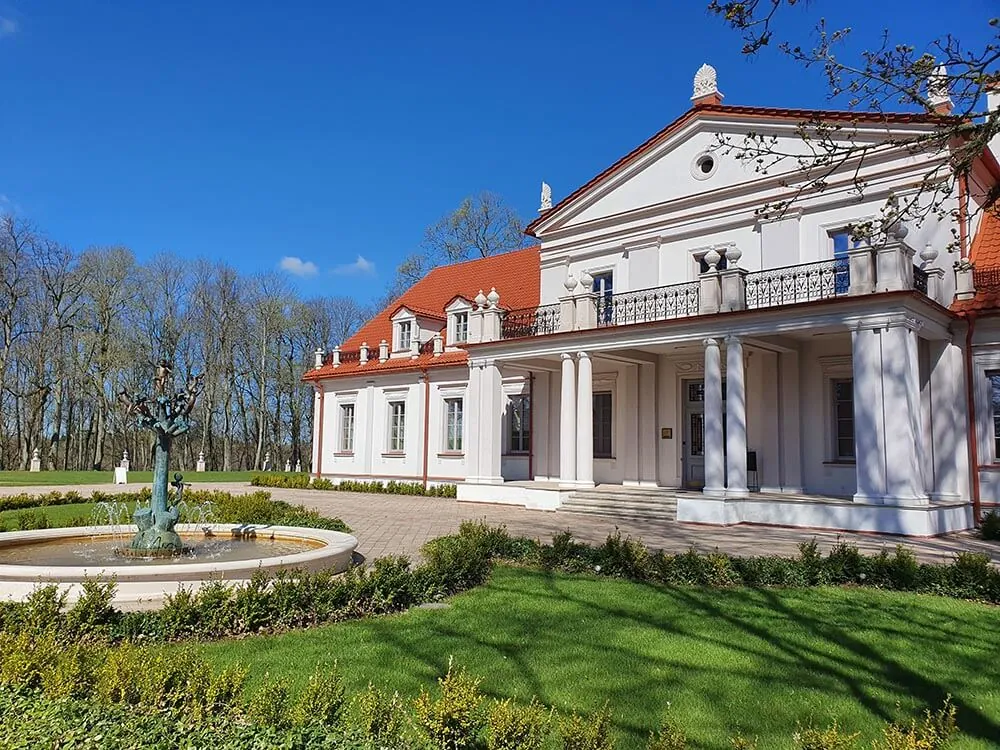
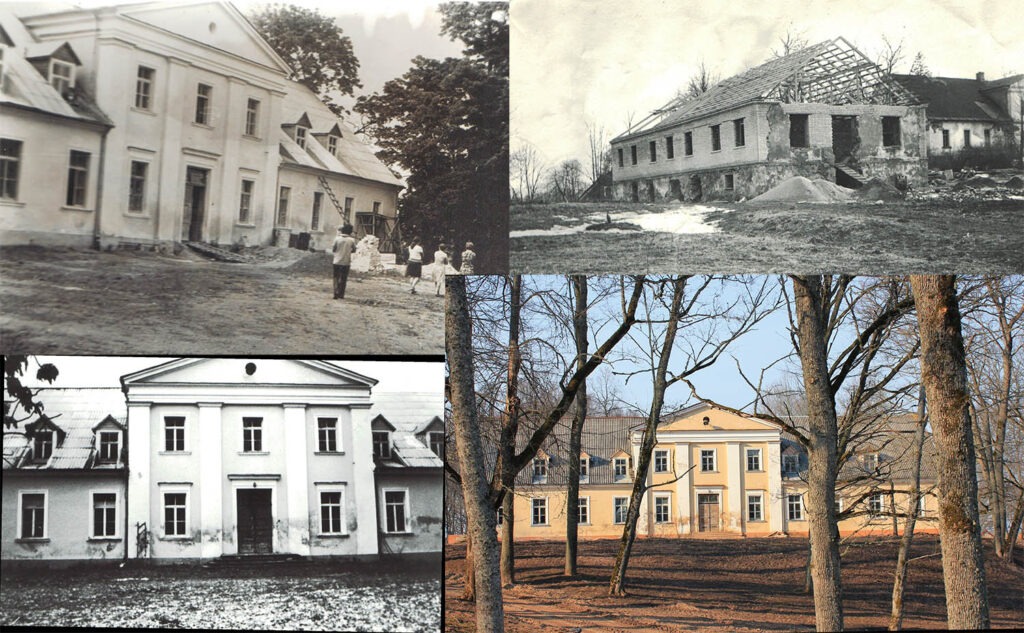
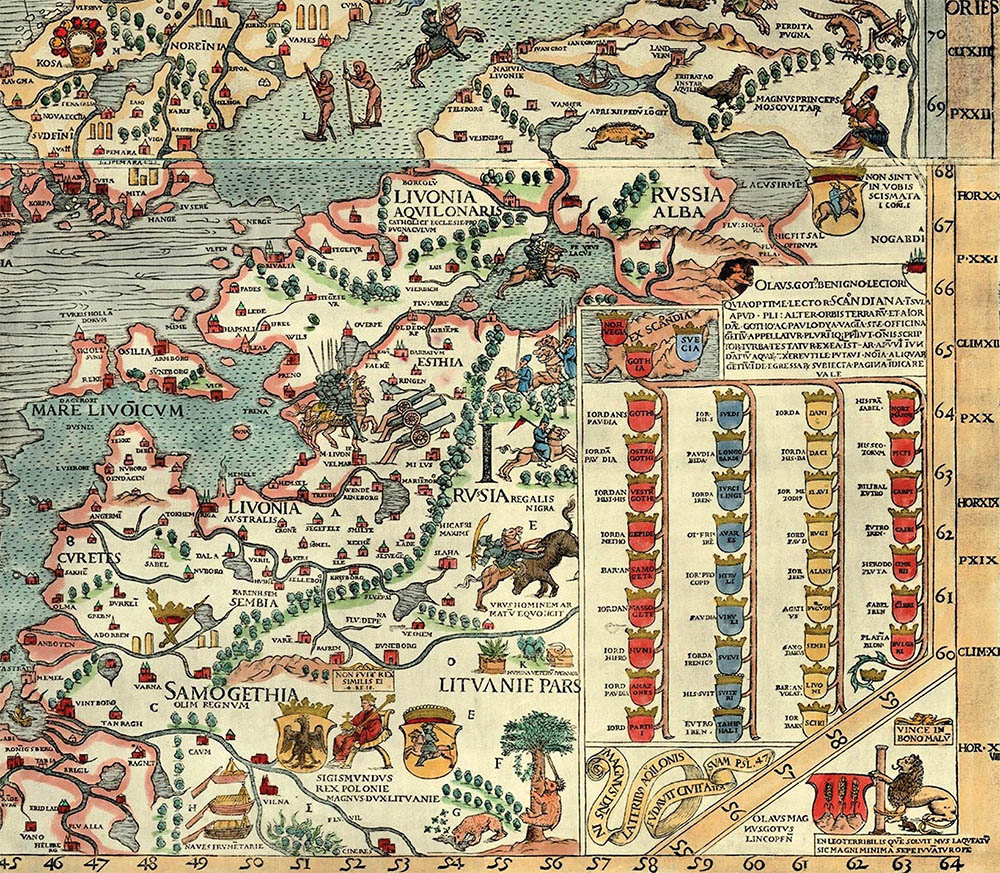
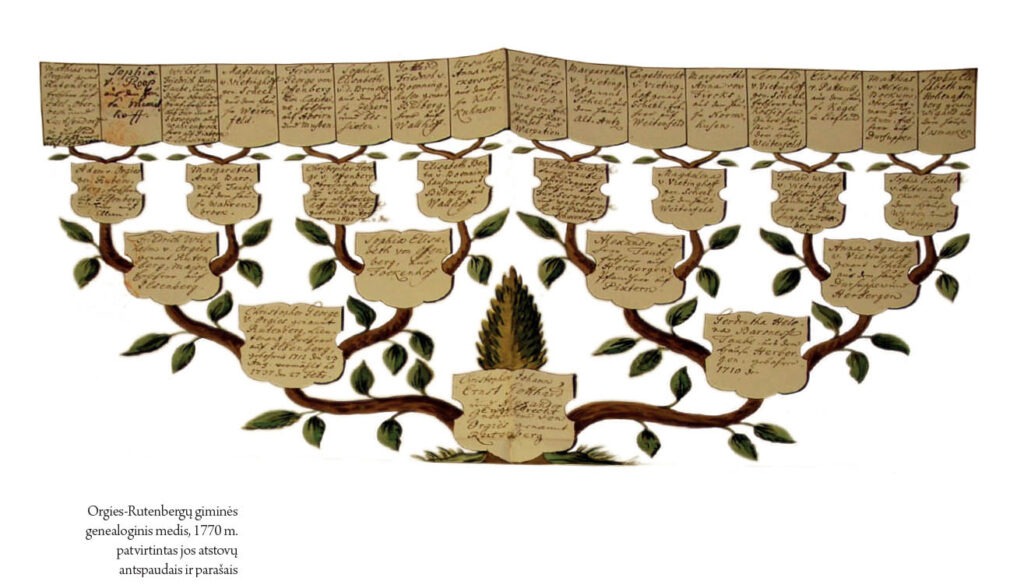
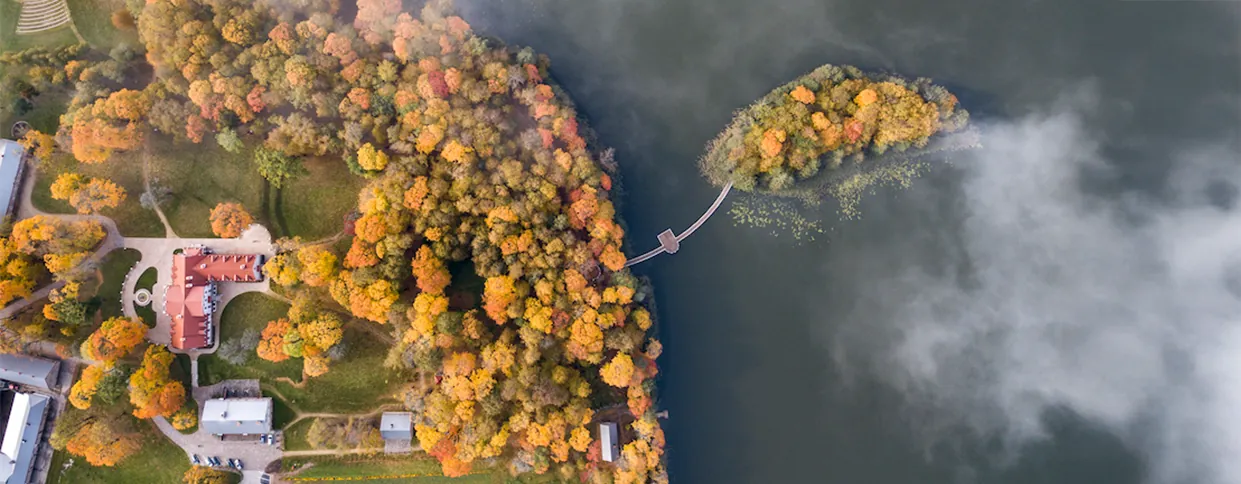
In the Rokiškis region, on the historic lands of the Selonians, between two lakes – Ilgis and Apvalasai – Baron Bernt von Kersenbrock founded Ilzenberg Manor in 1515 on the summit of a hill. Its German name, Ilsenberg – Ilzė Hill – took root here.
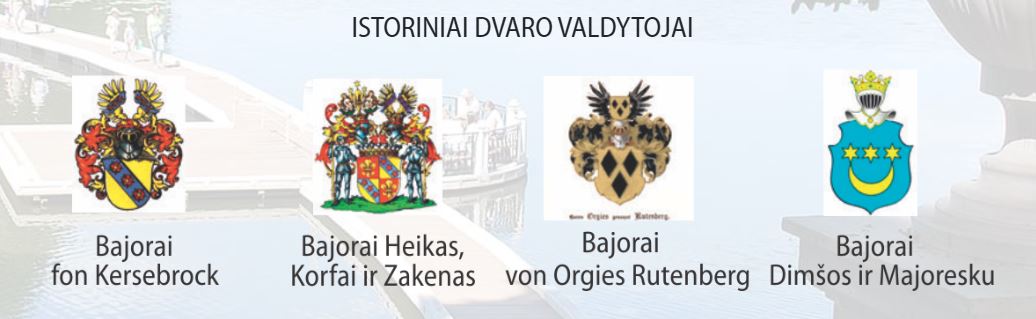
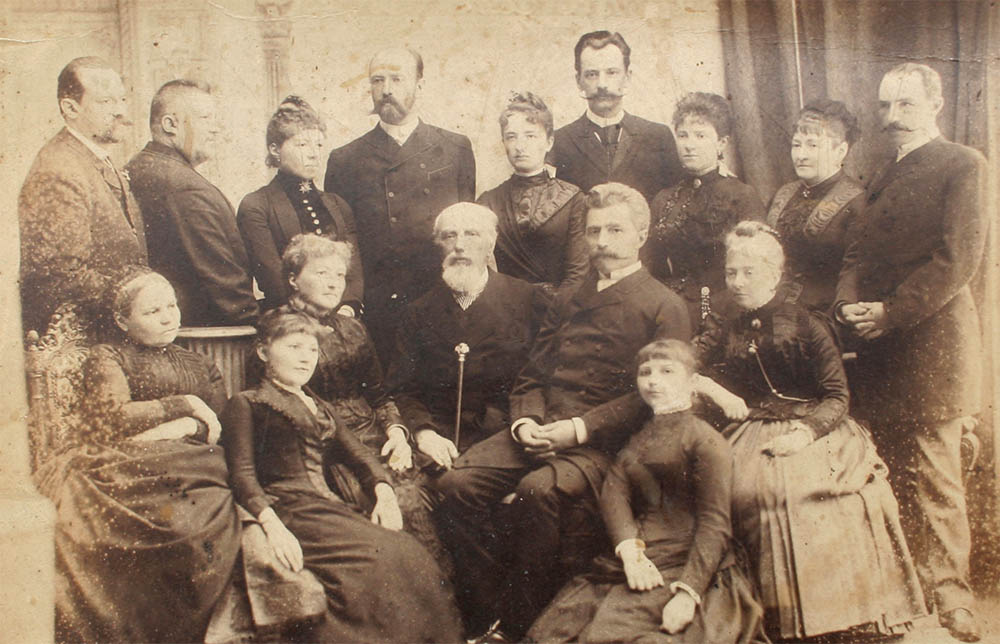
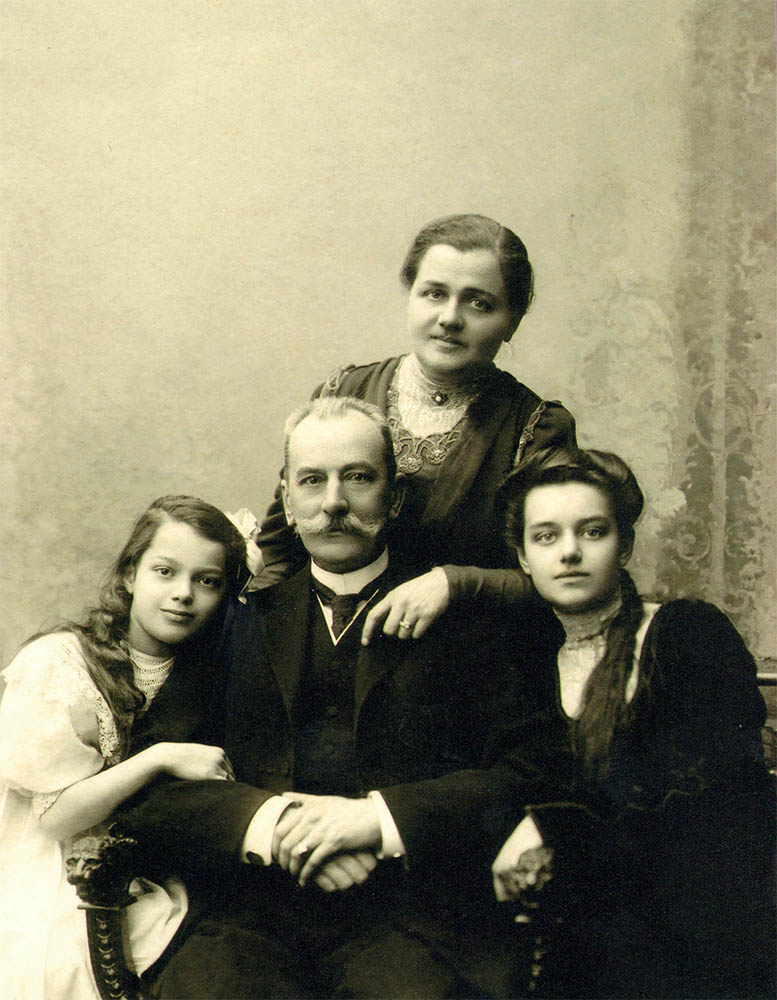
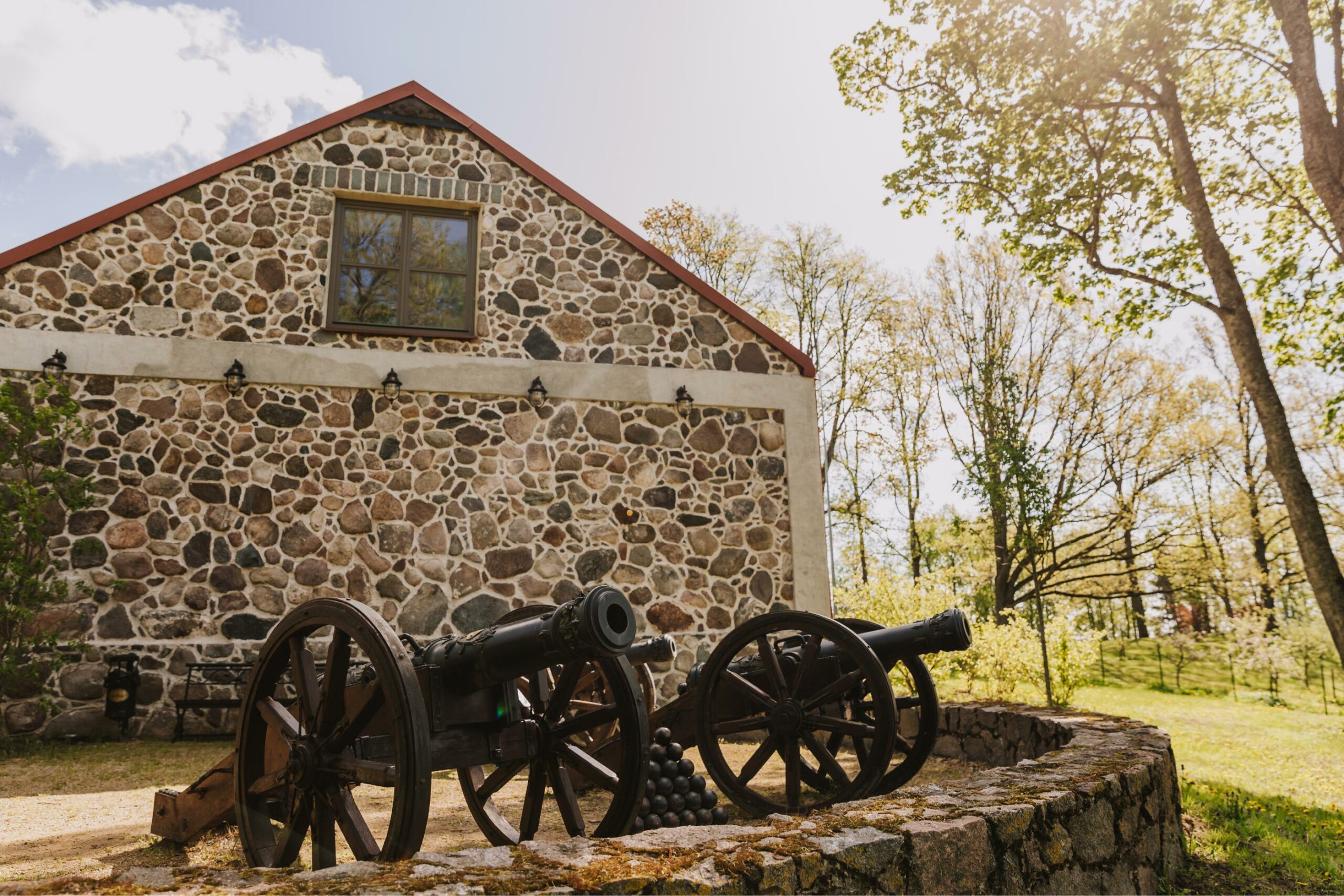
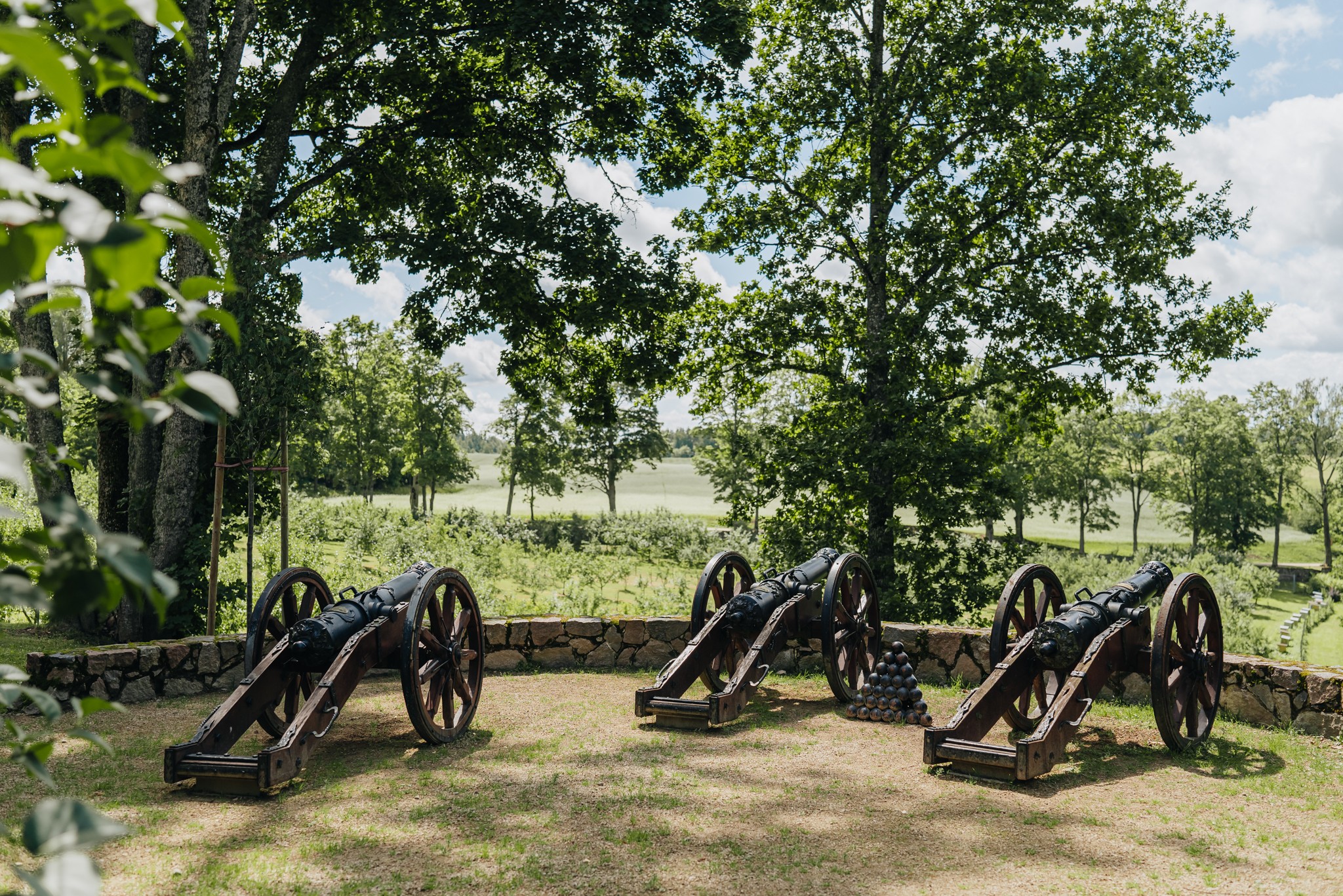
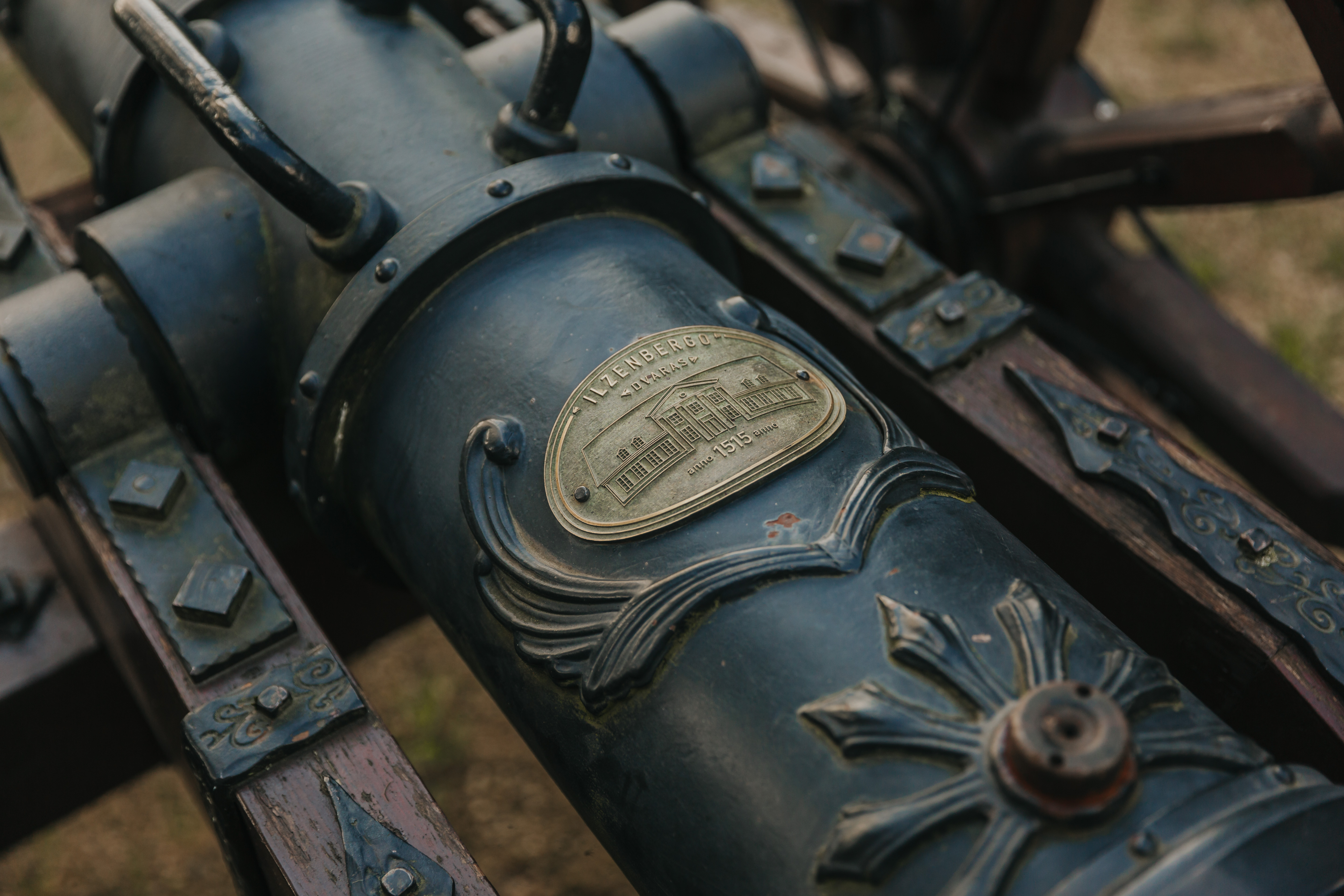
Over the centuries, the Manor has experienced both prosperity and challenges. The war between Sweden and Russia in 1655 left its mark – three cannons from the XVII century were kept at the Manor, and replicas of them now decorate the Manor Park. At the end of the XIX century, the Manor experienced a renaissance: engineer N. N. Fuchs rebuilt the palace, and in 1896, nobleman Eugenijus Dimša and Livija Majoresku, who had purchased it, brought a period of cultural prosperity to the Manor.
The entire meticulously compiled history is immortalized in the published book „Symbols of the history of Lithuania: Ilzenberg Manor – 1515–2015“.
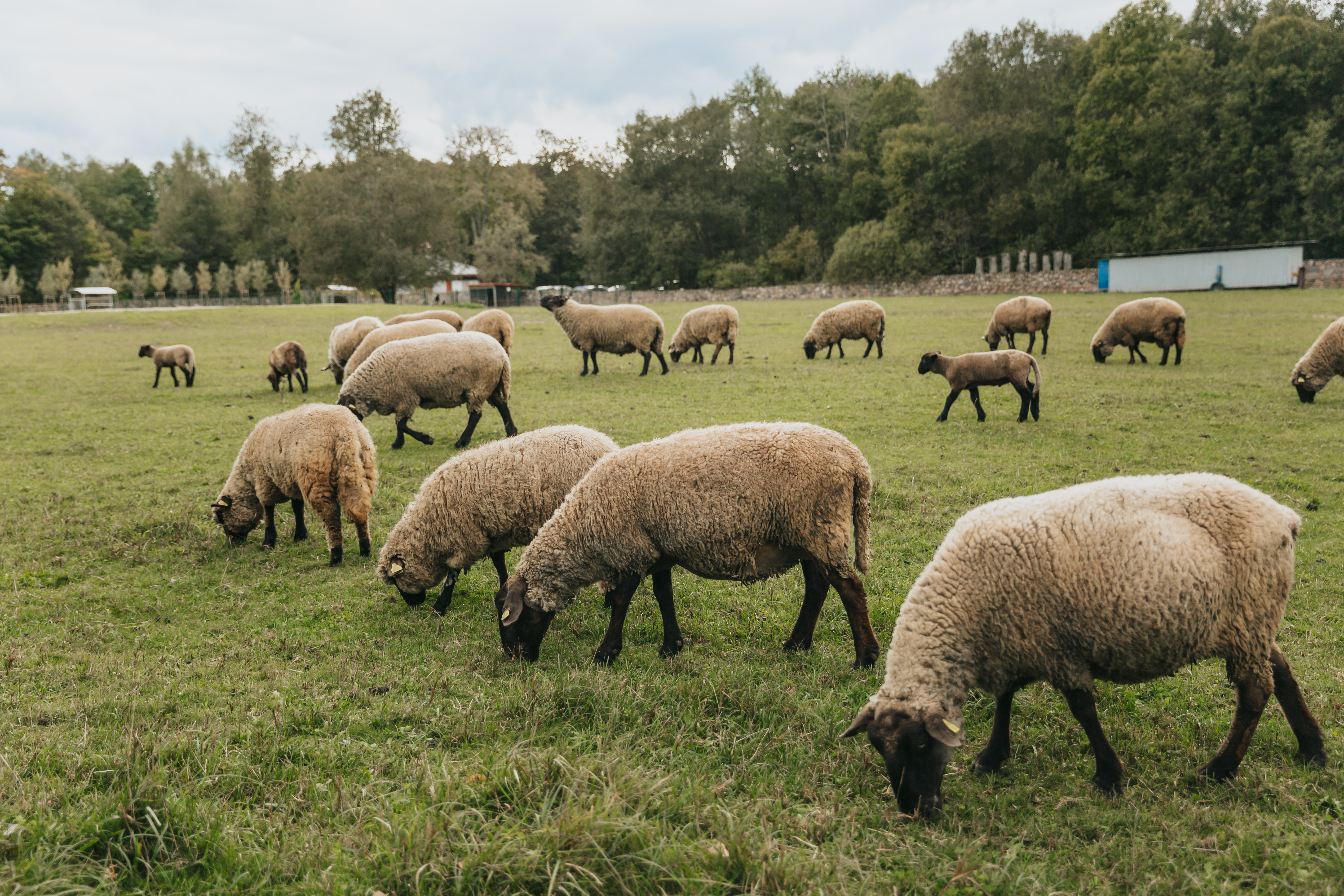
Today, more than half a millennium later, Ilzenberg has returned to its roots. It is the only Manor in the Baltic States and one of the few in Europe that has been reborn as a natural farming estate producing high-quality products. The Park-Museum borders on cultivated fields where, from spring to autumn, crops flourish and sheep, cows and chickens graze – a living continuation of the old manor culture.
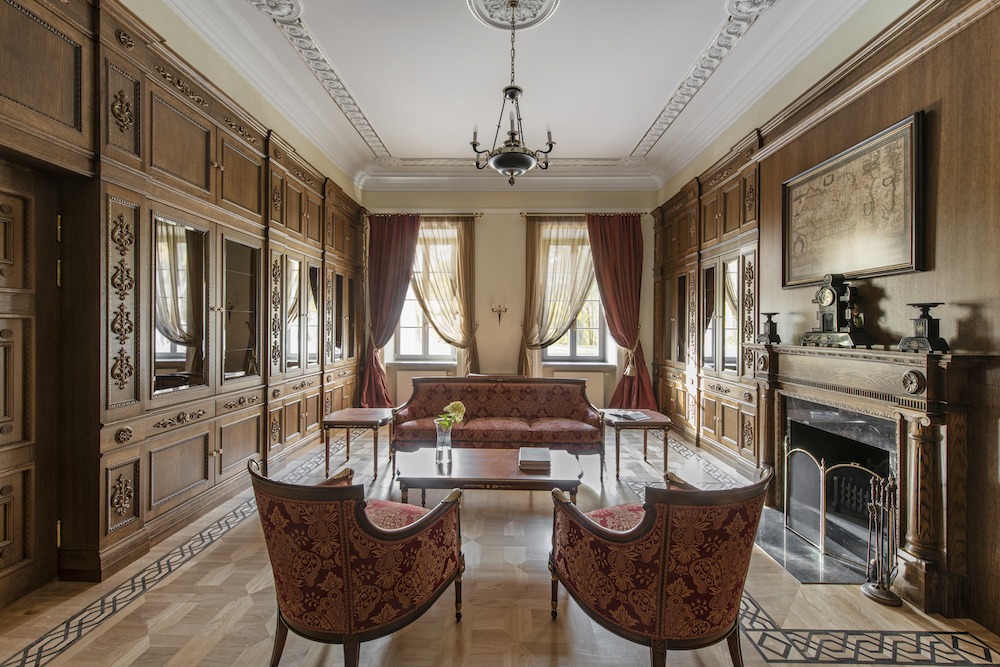
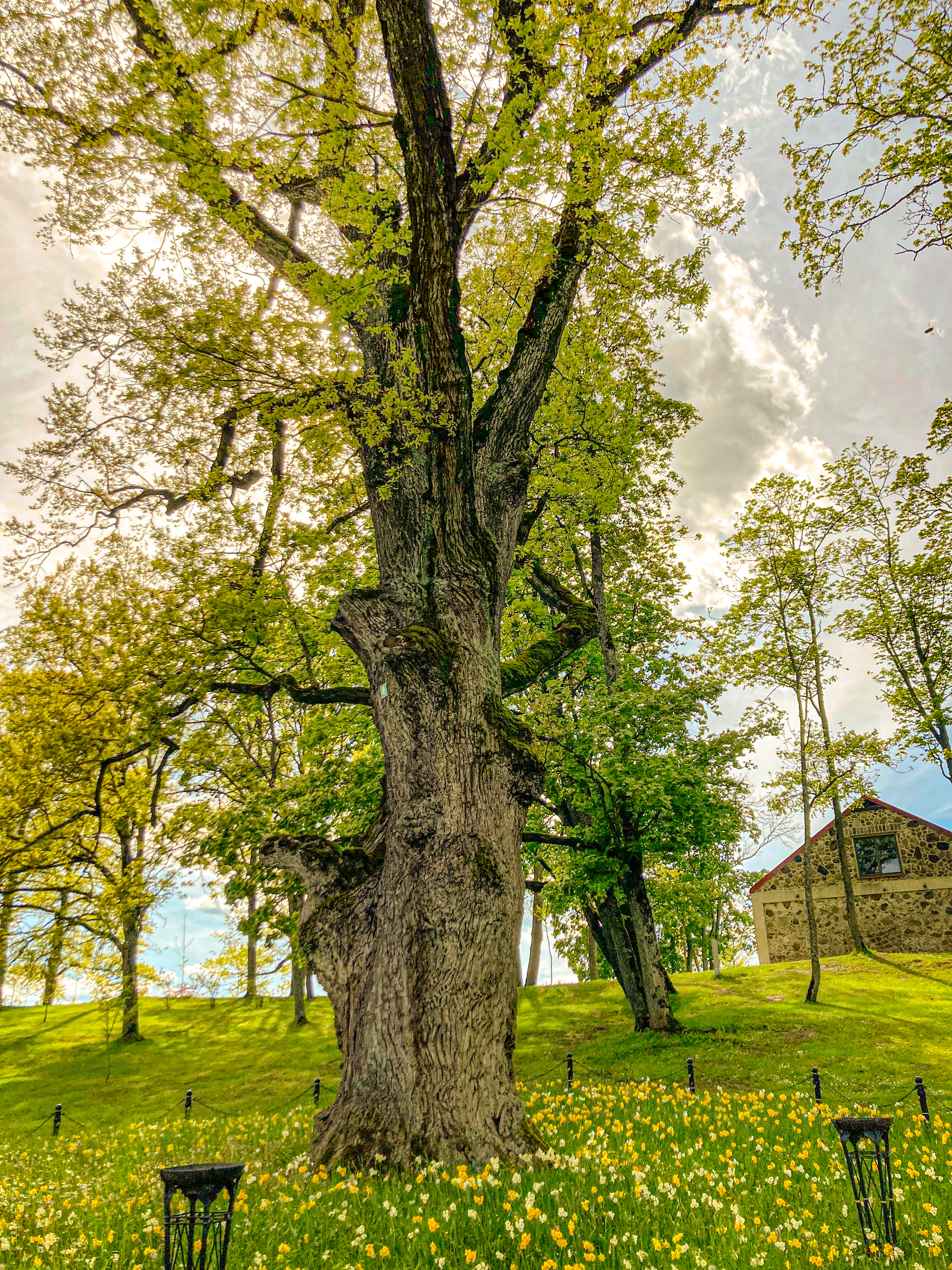
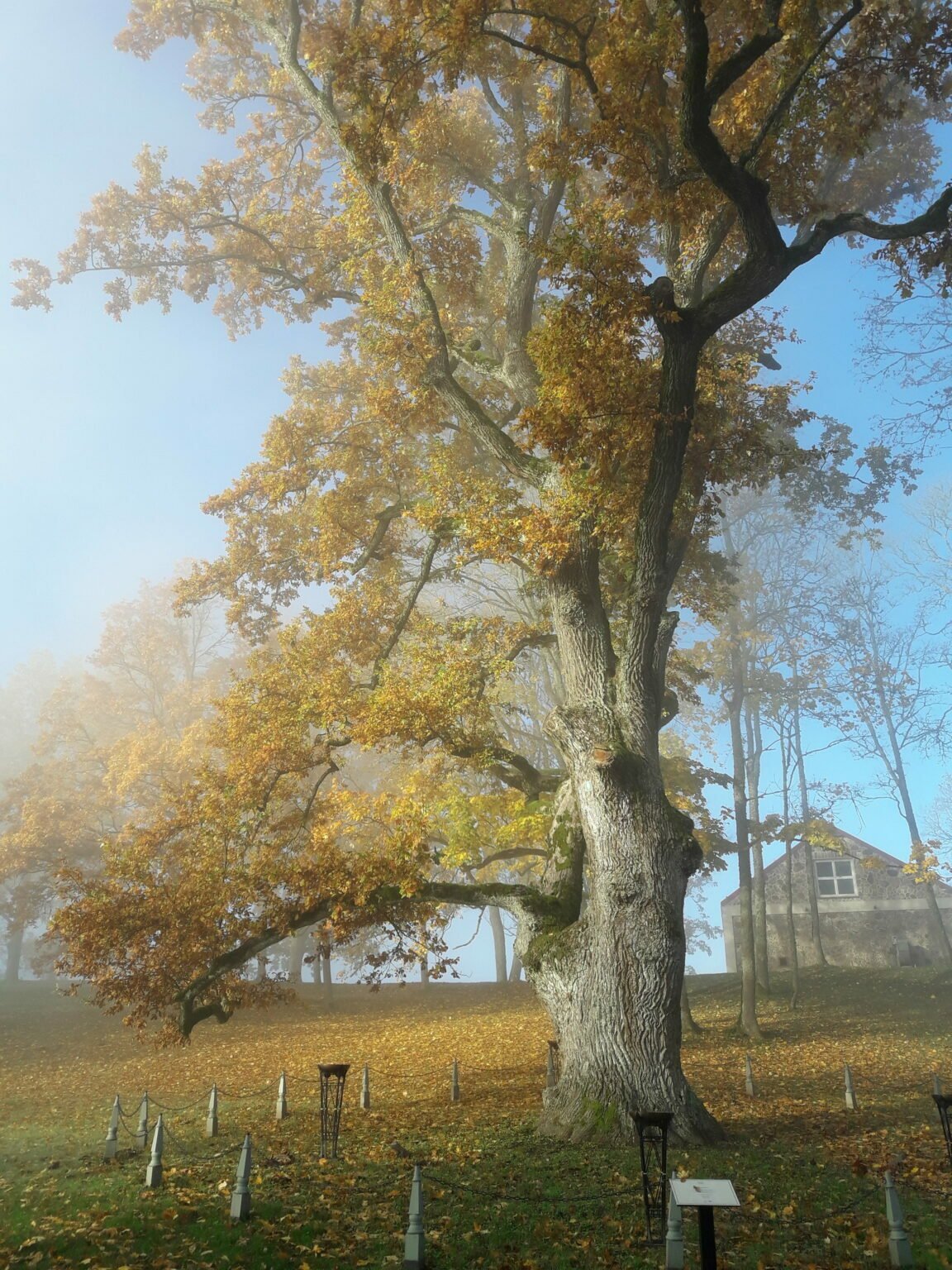
All the historic stone-masonry buildings in the Manor territory have been restored; the palace shines with its luxurious interior, and the English-style park, occupying 17.5 hectares, amazes with its well-tended paths, sculptures and the romantic Love Island. The symbol of the park is the Great Ilzenberg Oak, over 500 years old and with a diameter of 6.3 meters, protected by the Lithuanian state – a silent witness to the entire history of the Manor.
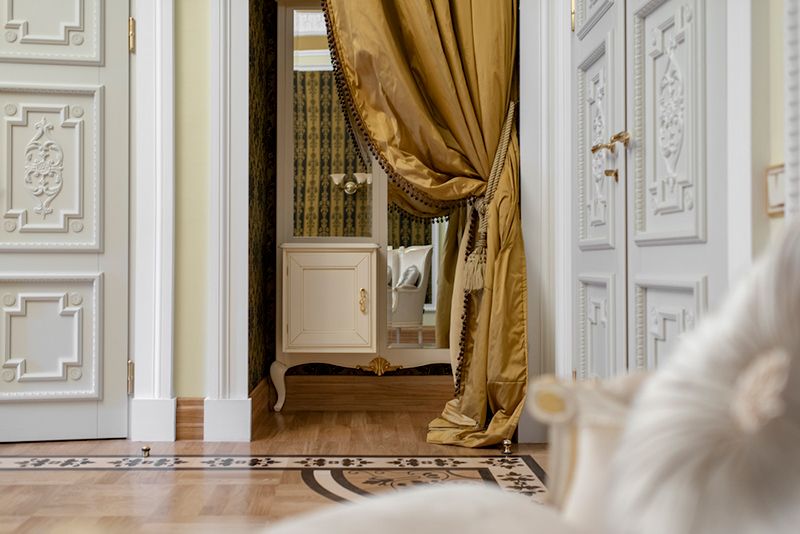
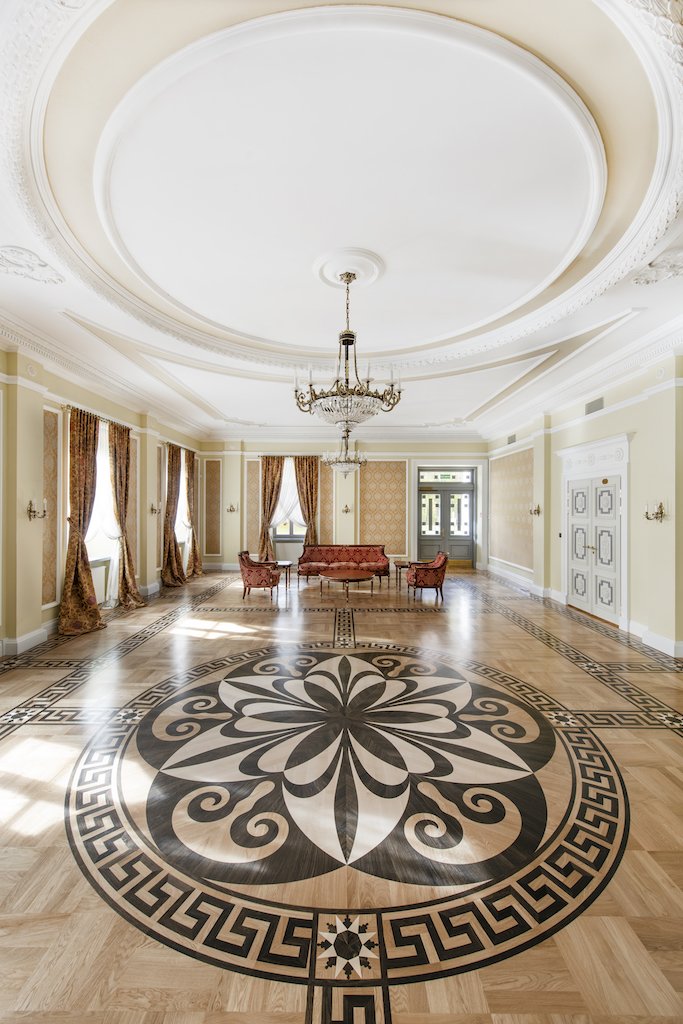
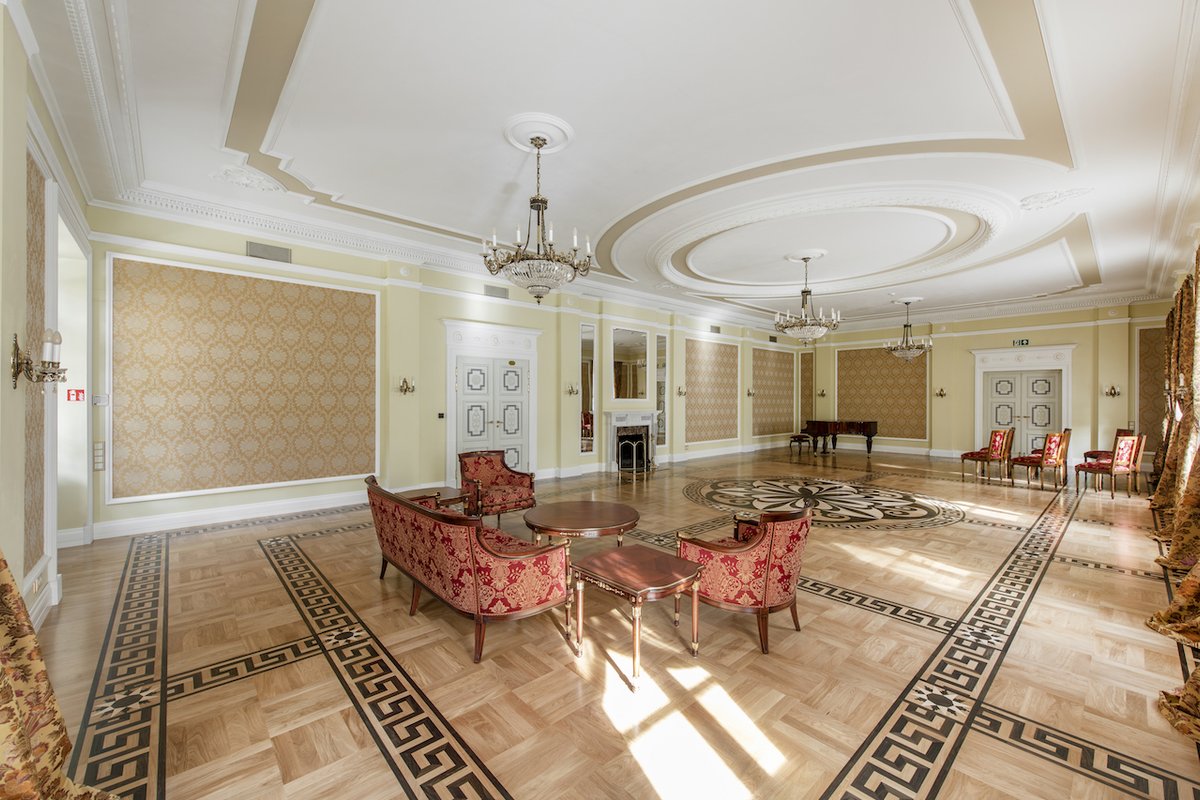
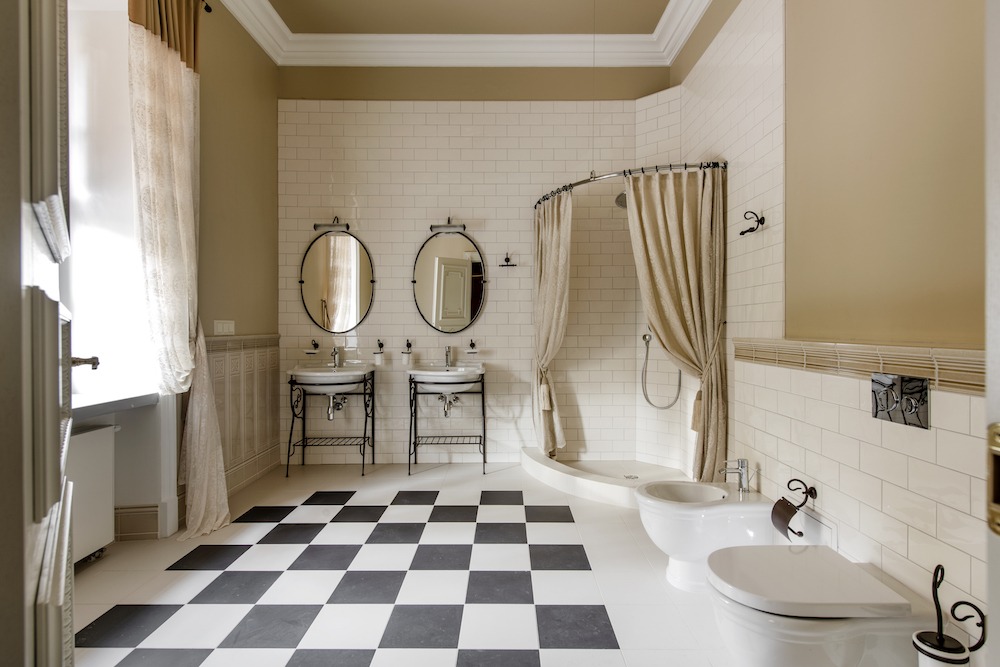
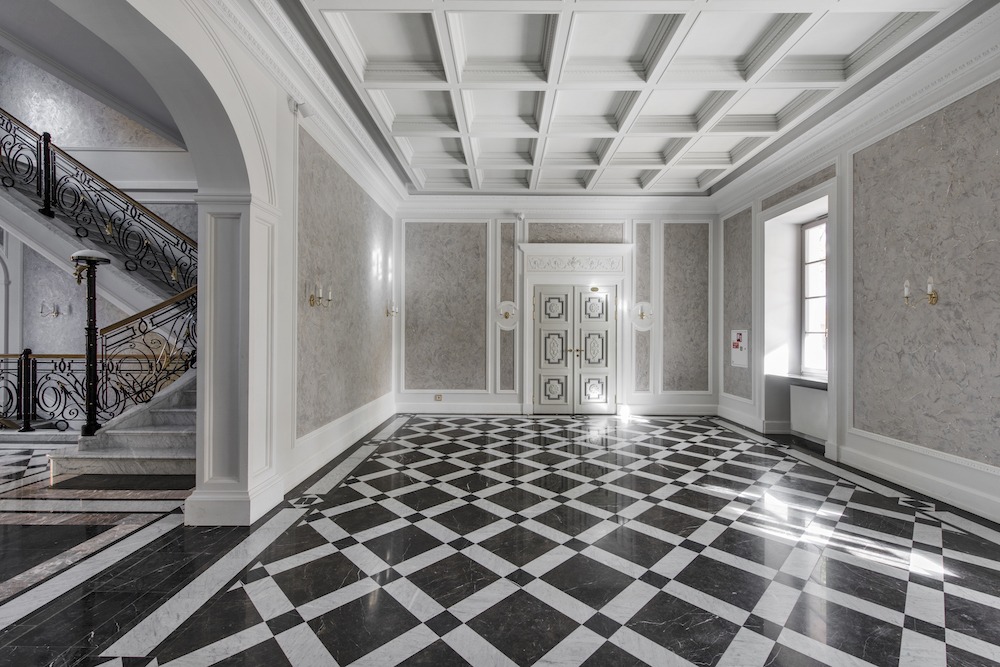
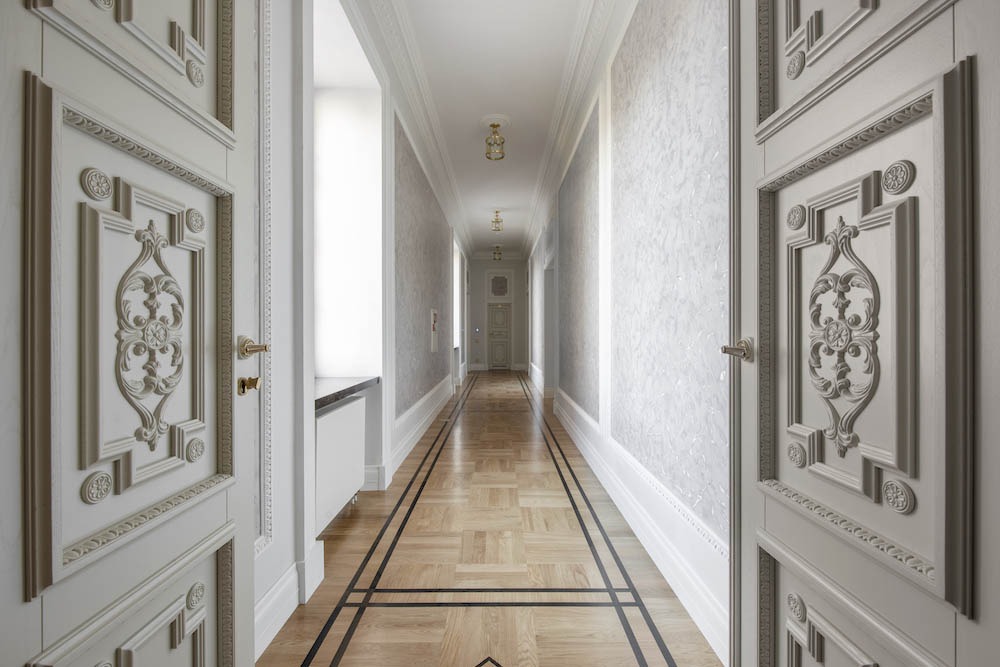
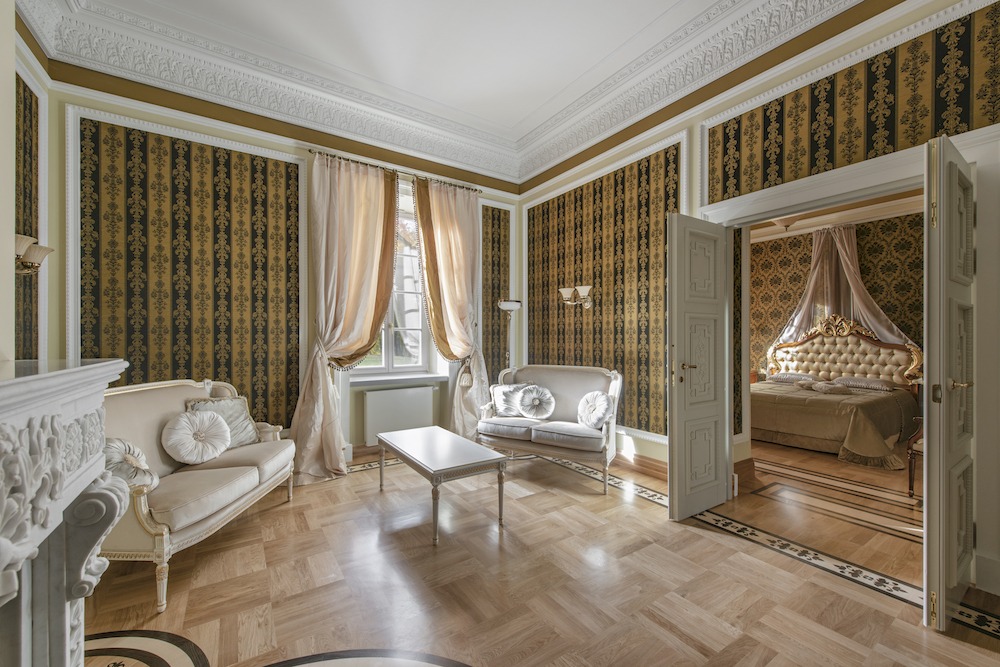
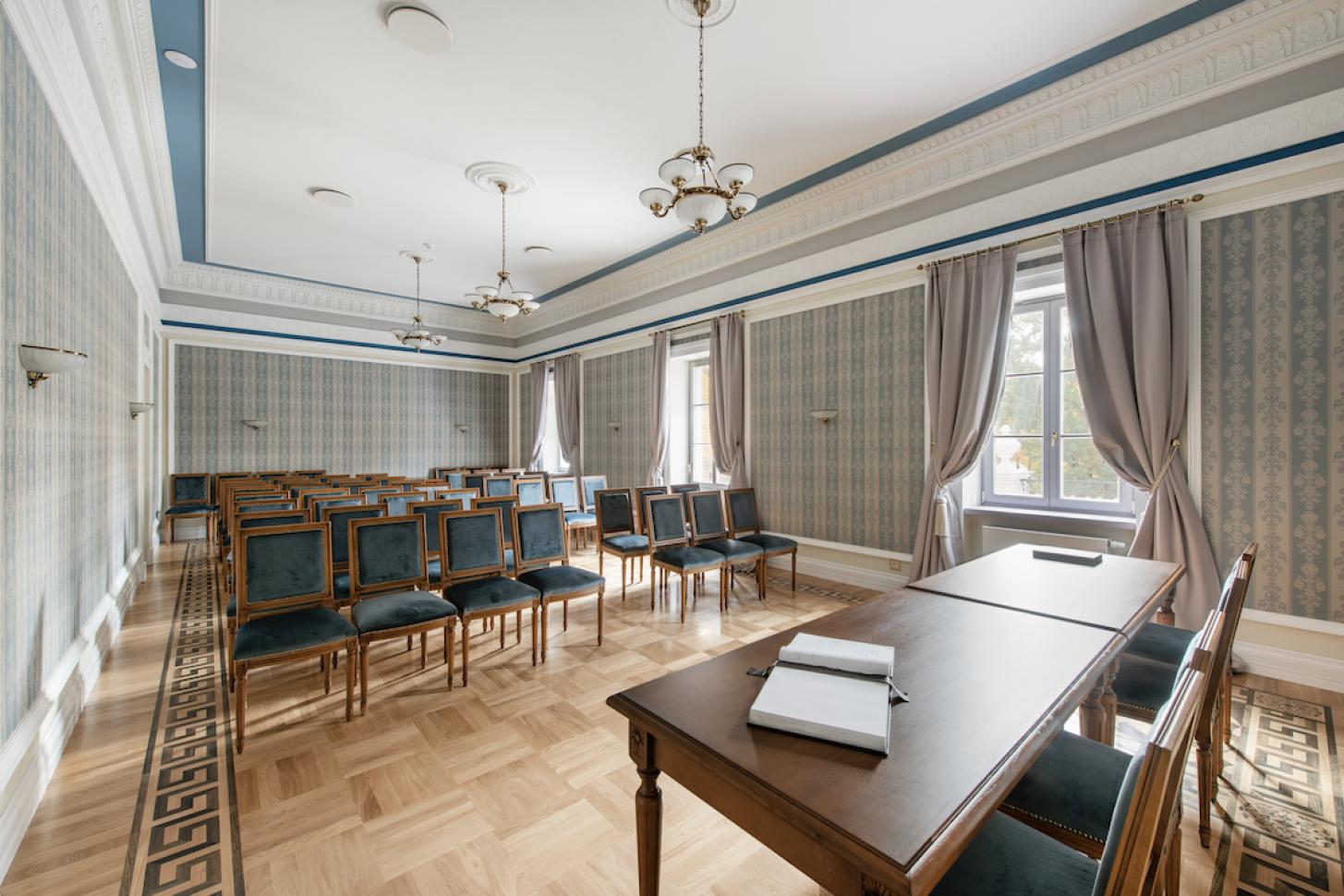
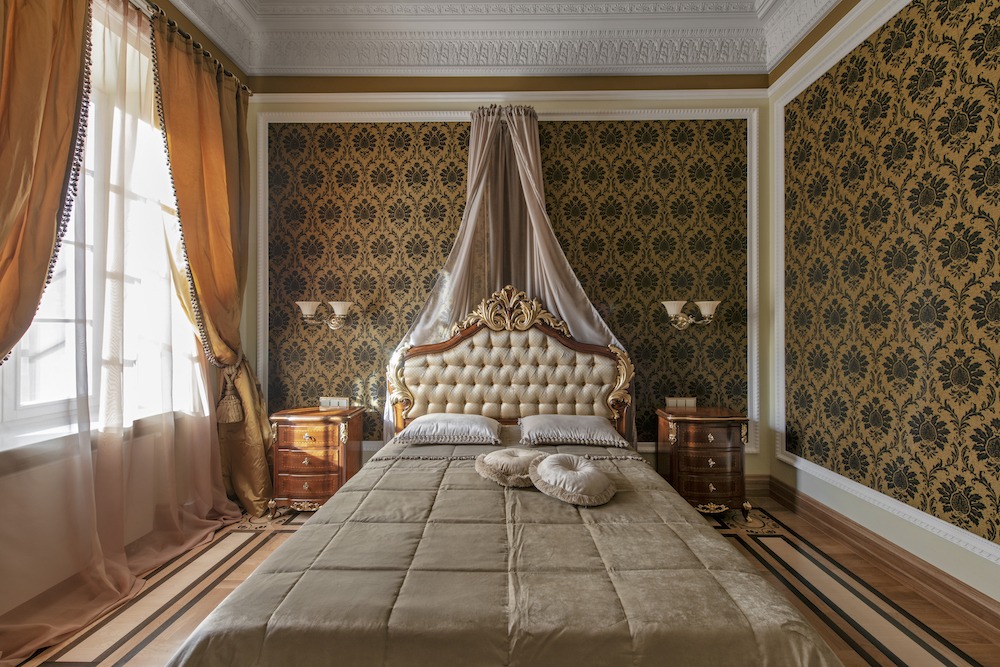
The architectural character of Ilzenberg Manor is defined by the maturity and elegance of late Classicism, evident in every detail of the interior. This style exudes refined aesthetics, harmony and respect for the historical culture of the Manor.
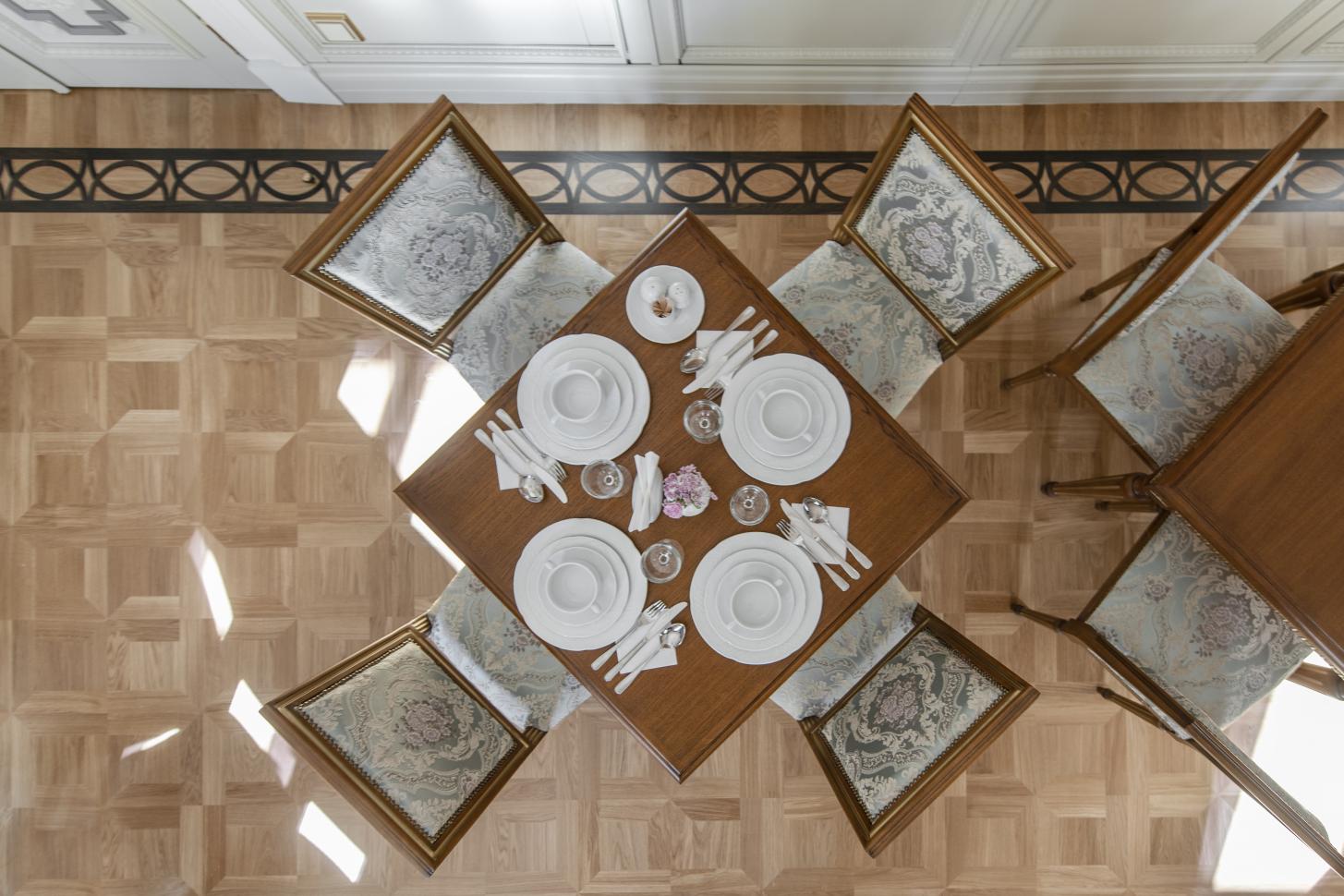
Here, the eye is attracted by the impressive marble floor mosaic, where symmetry intertwines with the timeless luxury of stone. The halls are decorated with mosaic parquet featuring meticulously crafted wood inlays – a true example of craftsmanship and the refinement of the era
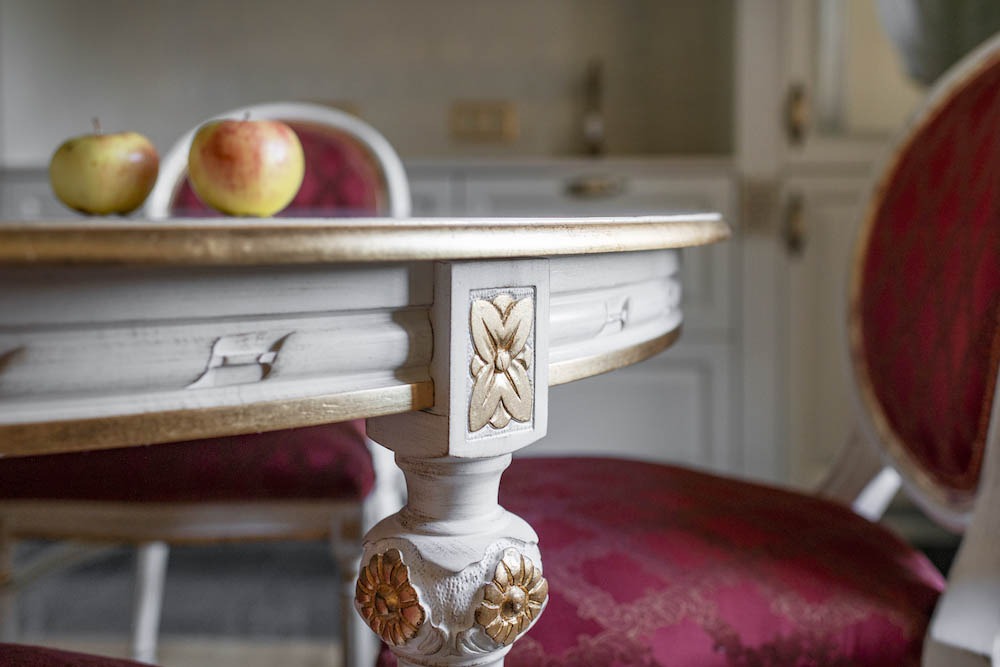
The walls are covered with textile wallpaper, giving the interior a cosy luxury and the classicist monumentality of the halls. All of this is crowned by gilded ceiling decorations, which emphasise the representative character of the Manor and create a grand, theatrical atmosphere.
The style of Ilzenberg Manor is a harmony of history, beauty and classical order, allowing one to experience the true spirit of manorial culture.
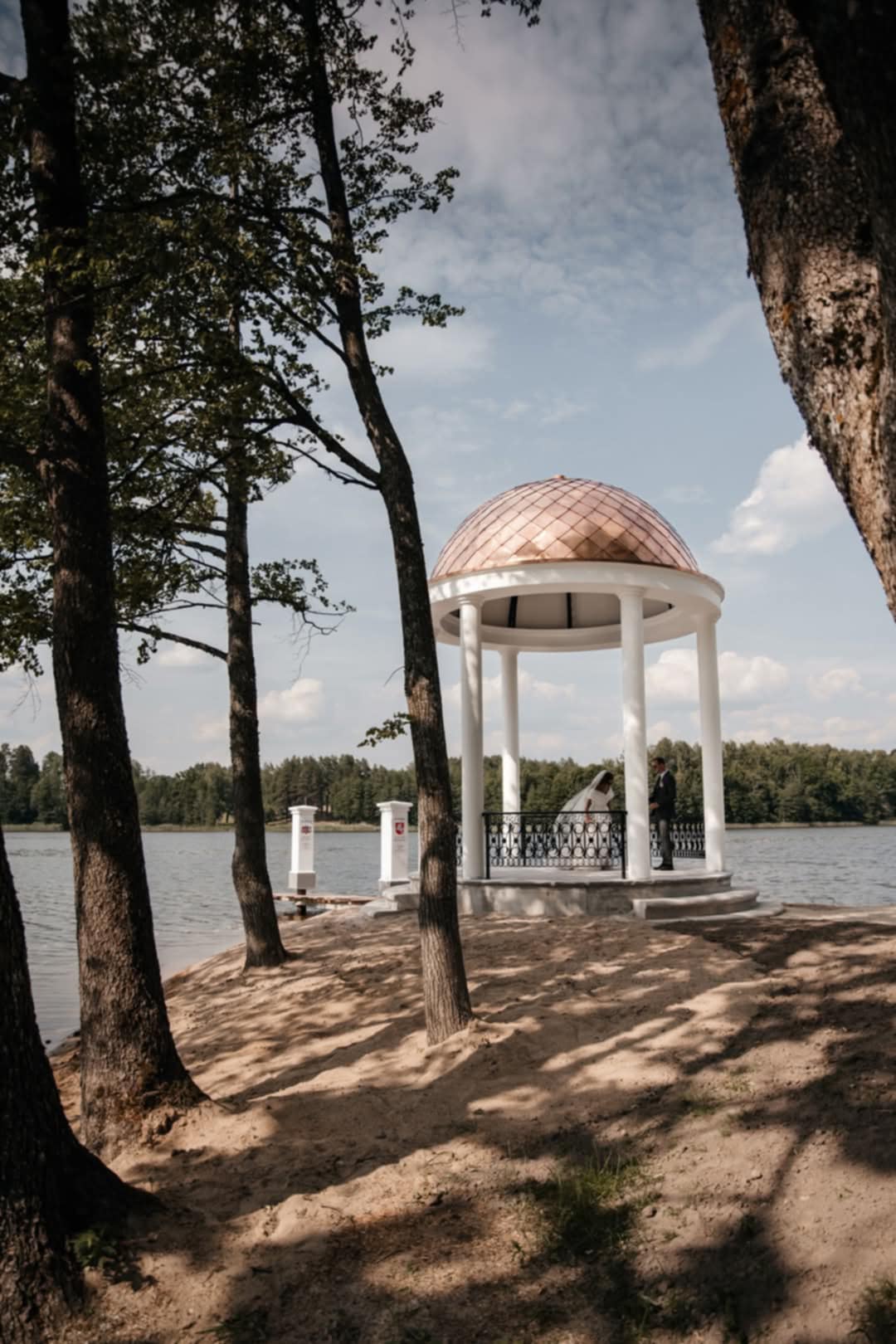
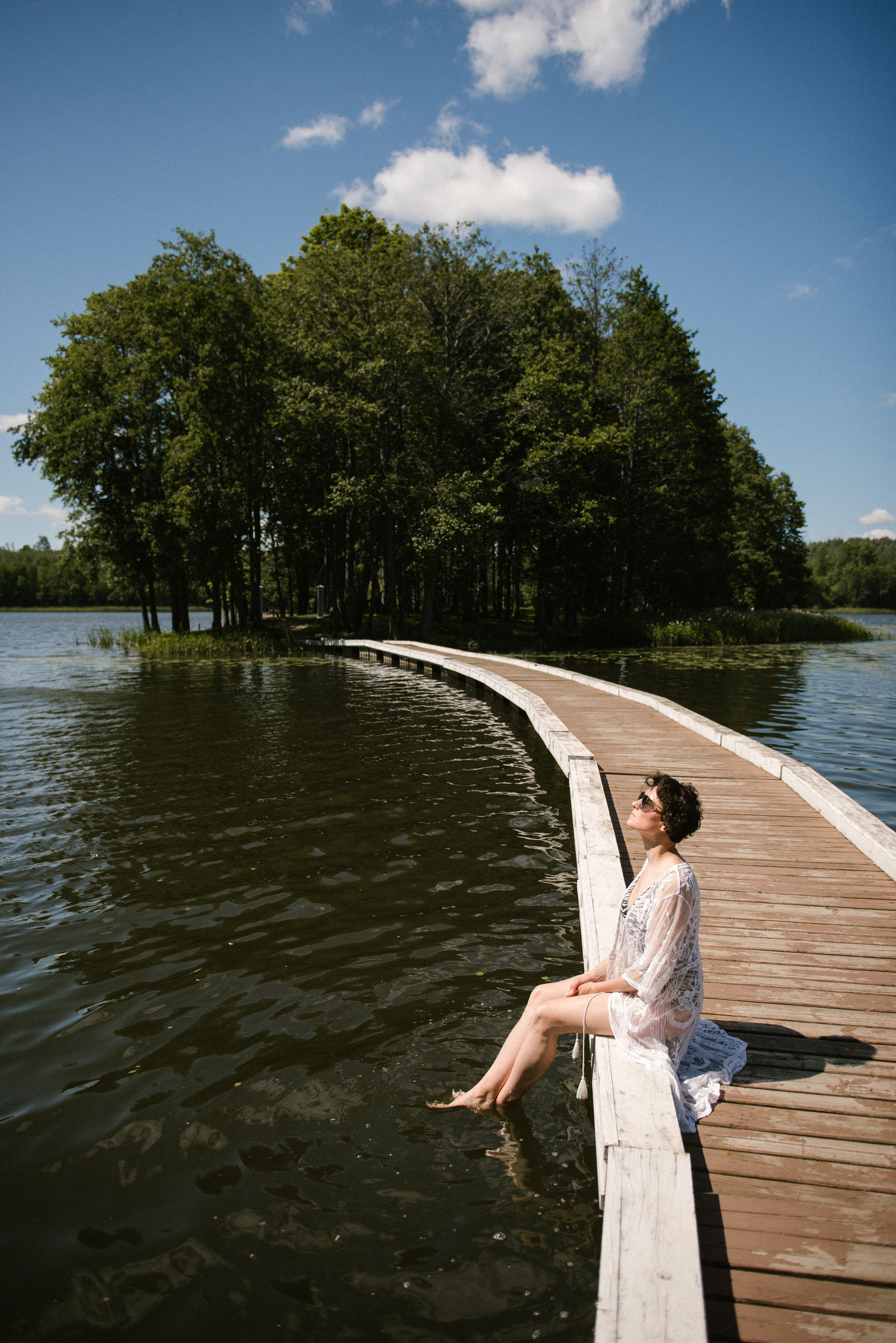
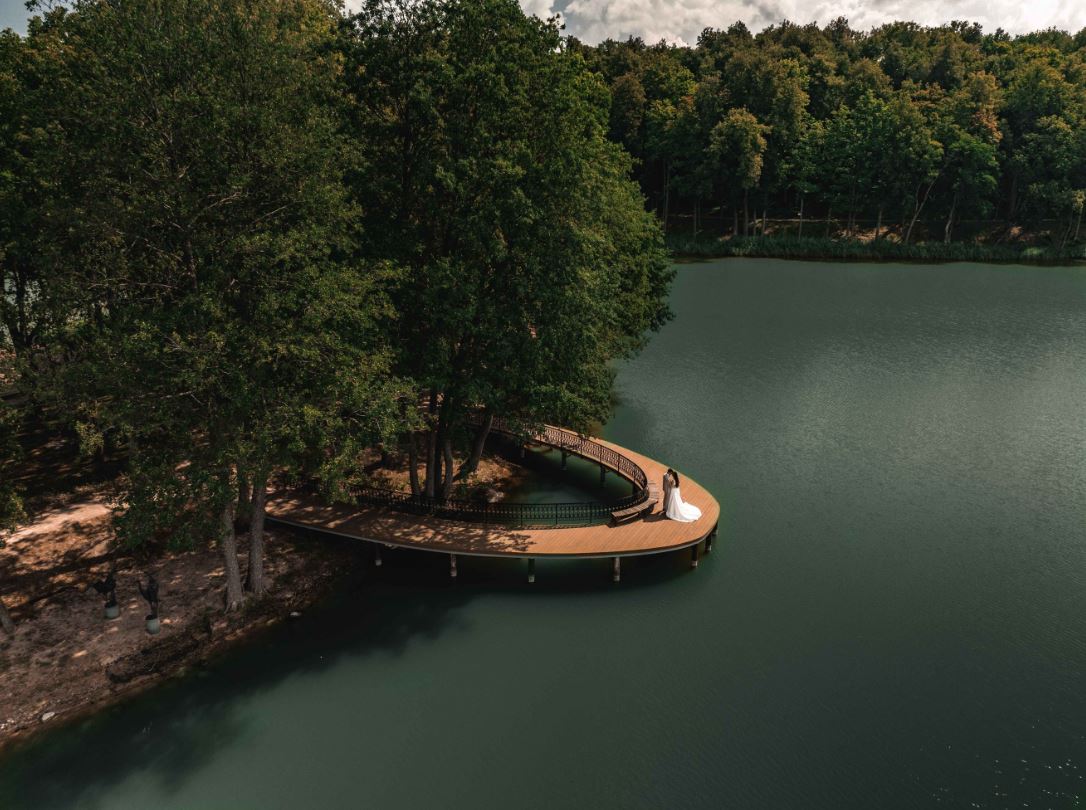
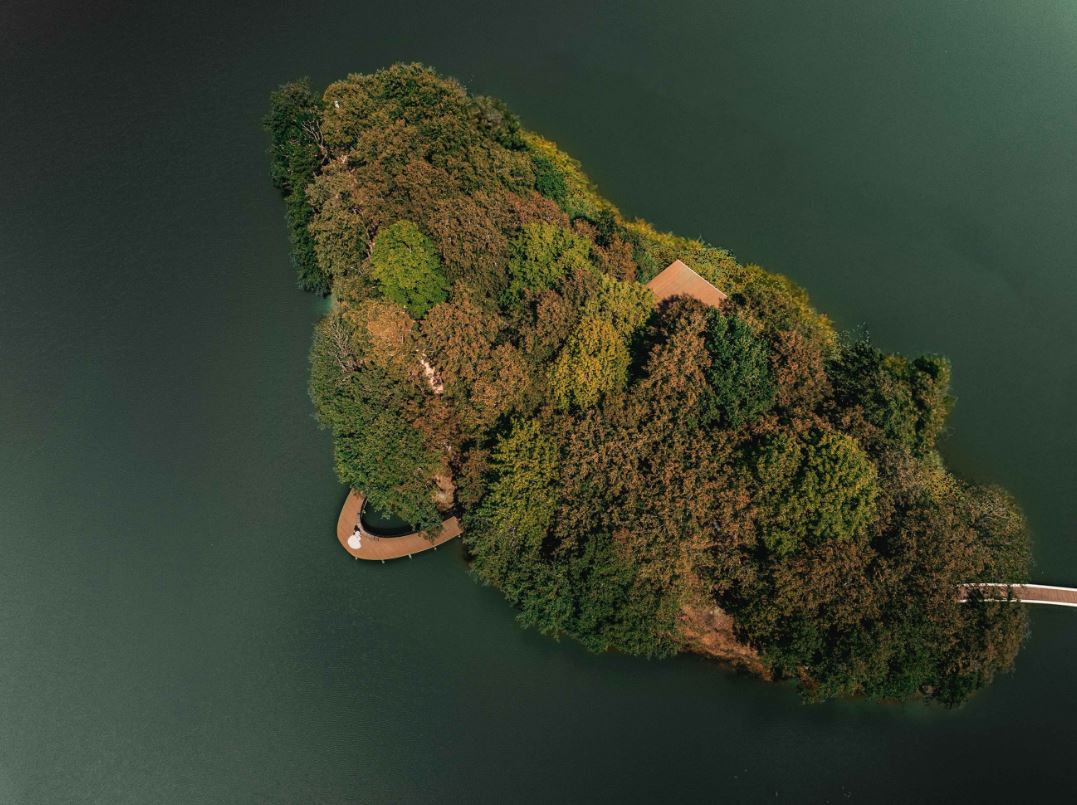
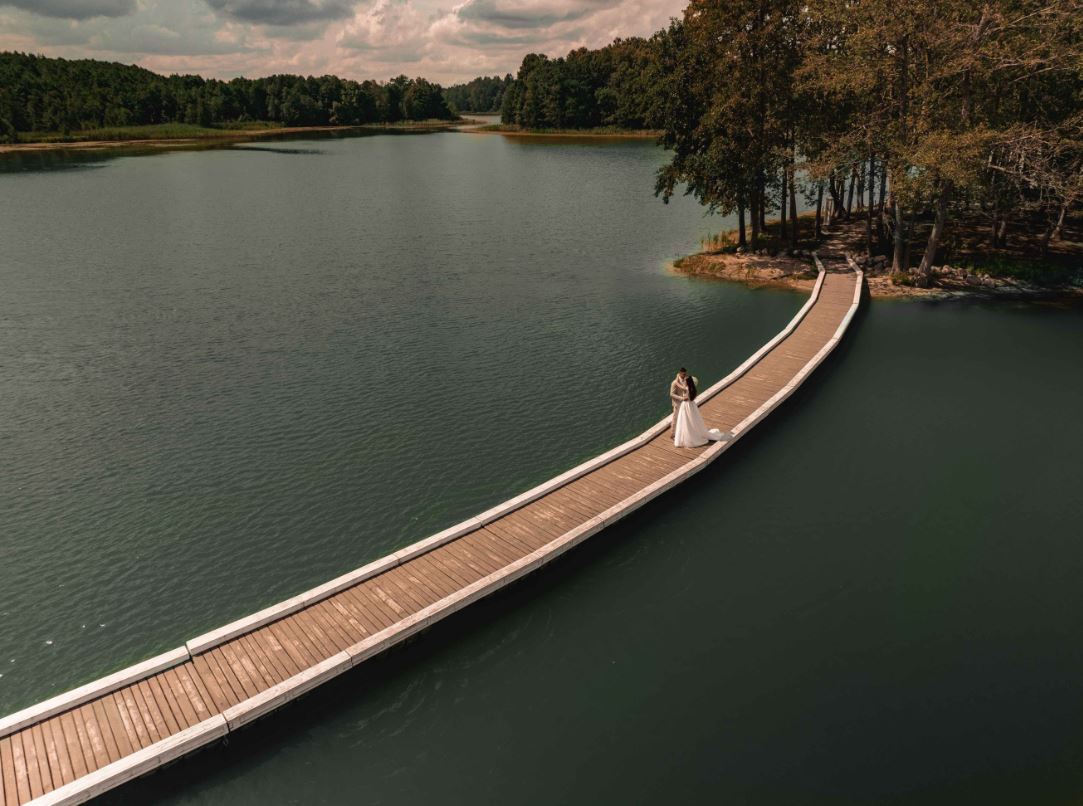
Love is the most magnificent space at the heart of Ilzenberg Manor, suspended between water, silence and time. Accessible by an elegant bridge, it welcomes you as a unique world where harmony becomes not a feeling, but a reality. Here, the ripples of the lake, the rustling of the trees, and the soft light merge into a single rhythm, in which nature itself opens up to love.
Standing on the island is its pride and joy – the Rotunda, like a white sanctuary created for commitments, promises and the union of hearts. It is a place where lovers meet their special moment with greatness and tranquillity, surrounded by a boundless panorama of water. The Rotunda exudes sublime elegance – it was created so that the most precious words might be spoken where nature receives them with respect.
Just a few steps away lies a unique symbol – the border markers of Lithuania and Latvia, which can be reached by hand. Here, on this small island, not only do the feelings of two people merge, but also the histories and horizons of two nations.
Love Island is not just a romantic place. This is a space of harmony and magnificence, where commitments are made, emotions blossom, and memories are created that will last a lifetime.
The bridge leading to the island is adorned with a spectacular fountain that sparkles every hour surrounded by nature (May–October).
On the island, you will discover two symbolic sculptures:
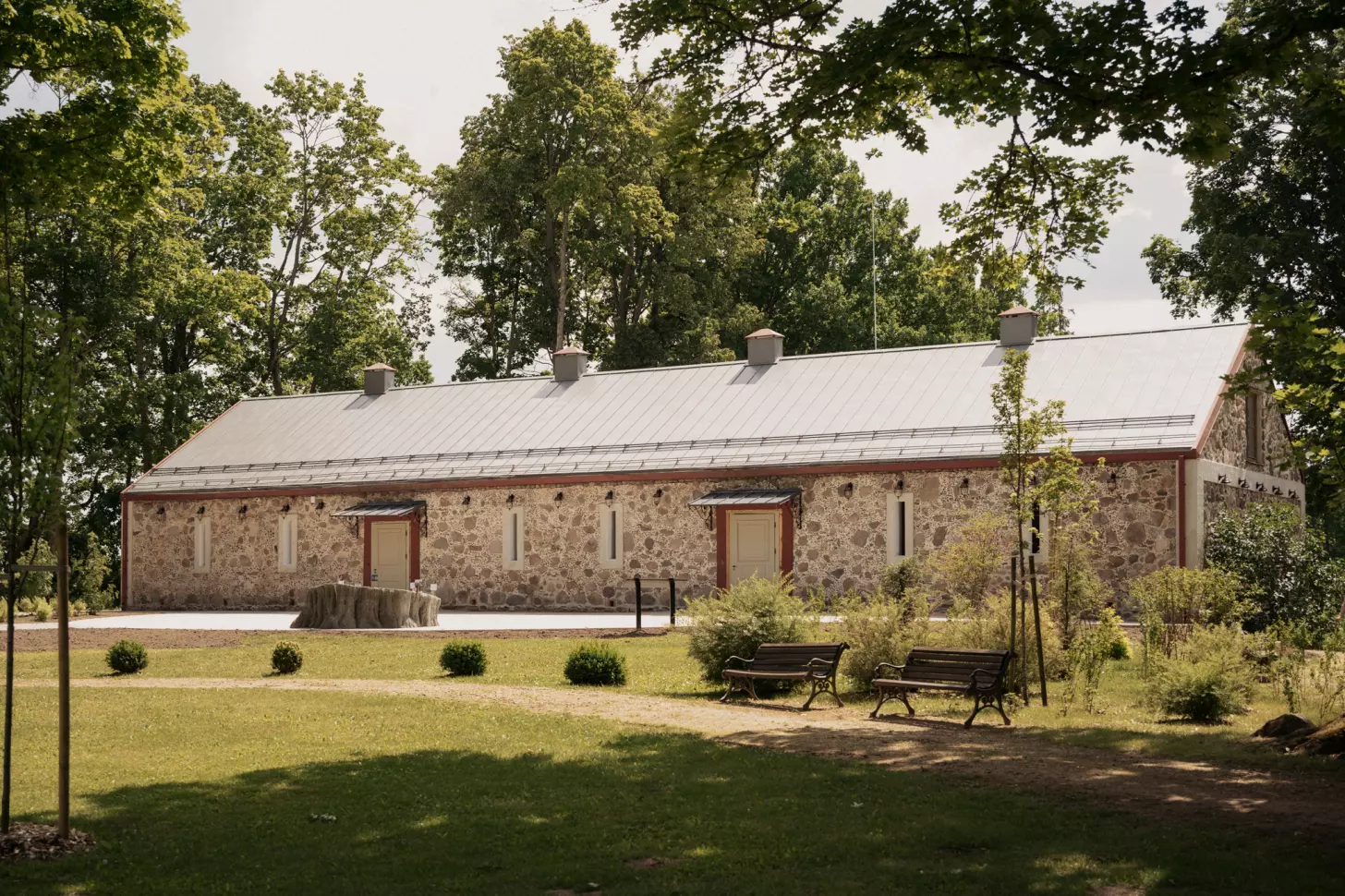
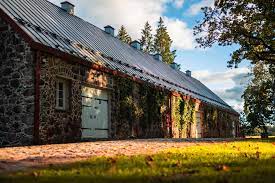
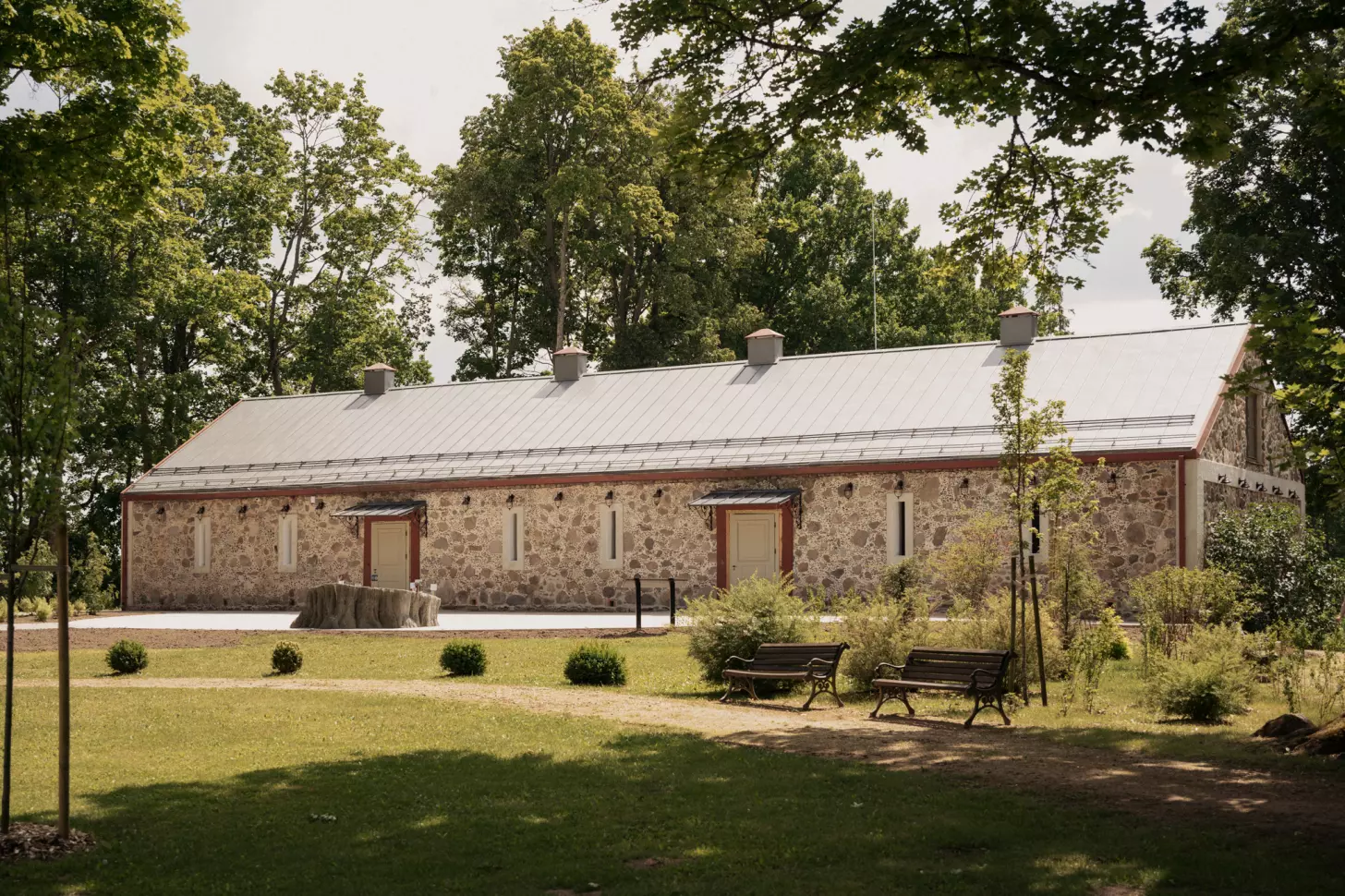
The stone walls of Ilzenberg Manor are the living heart of history, bearing witness to the centuries-long creative union between humans and nature. The farm buildings standing in the Manor territory – the office, the crafts house, the bathhouse, the stables, the barn, the granary, and the smokehouse – are built from local stone, which master builders transformed with their own hands into enduring architectural poetry. Each of them is steeped in the spirit of manor culture and serves as a reminder of ancient farming traditions, founded on strength, order and harmony.
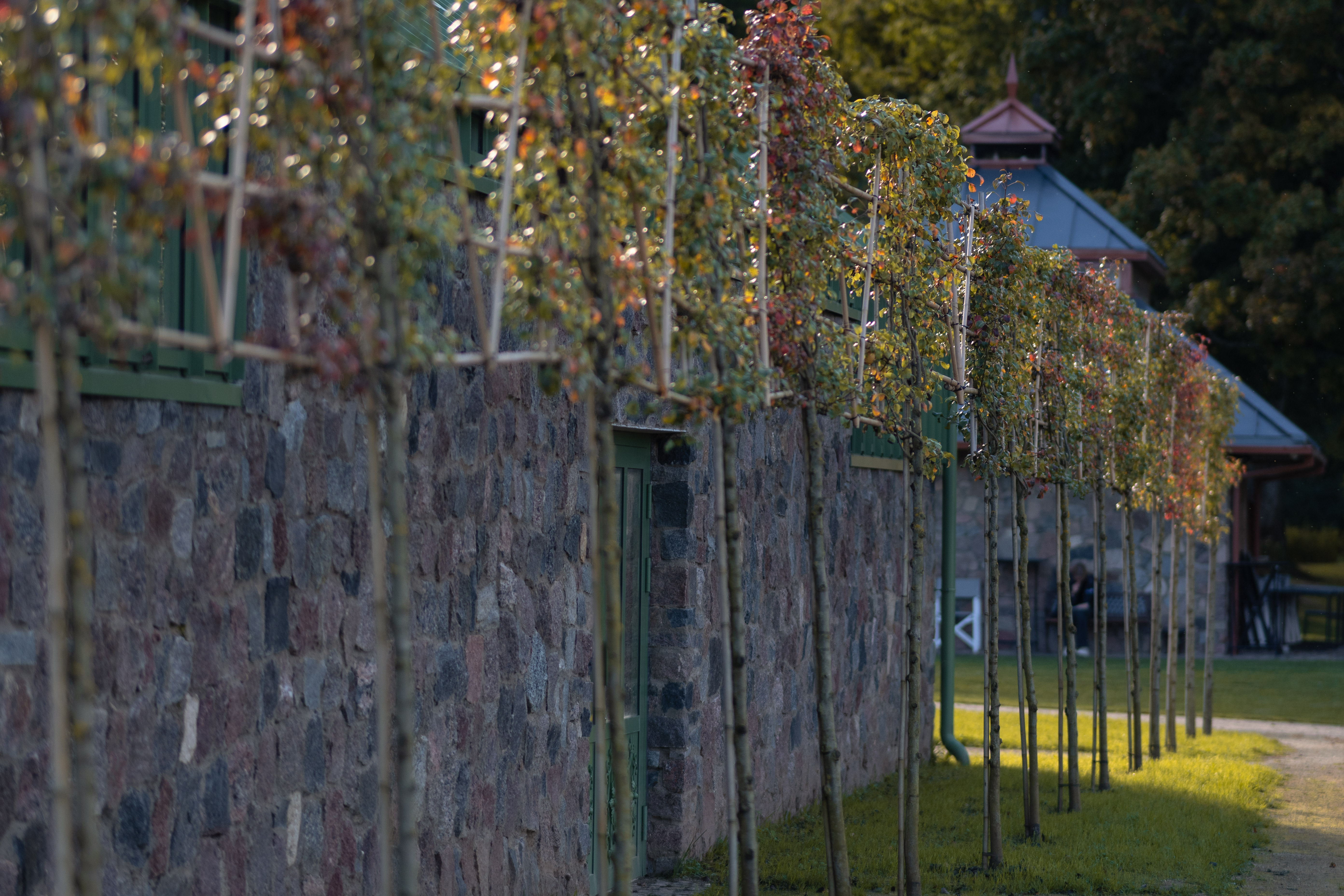
The stone fence that has survived in the northeast leaves a particularly strong impression; it is even given the mystical name “the wall of fireflies”. It is a rare, authentic stone structure, evoking the deep history of the region and radiating a unique, ritualistic tranquillity. This wall, like a living framework of the land, marks the boundaries of the Manor and serves as a reminder of times when every stone was reverently placed in its proper spot.
Ilzenberg stone architecture is a majestic, time-tested monument to craftsmanship, and at the same time an integral part of the Manor’s identity, still captivating the eye today with its strong, romantic and distinctive aesthetics.
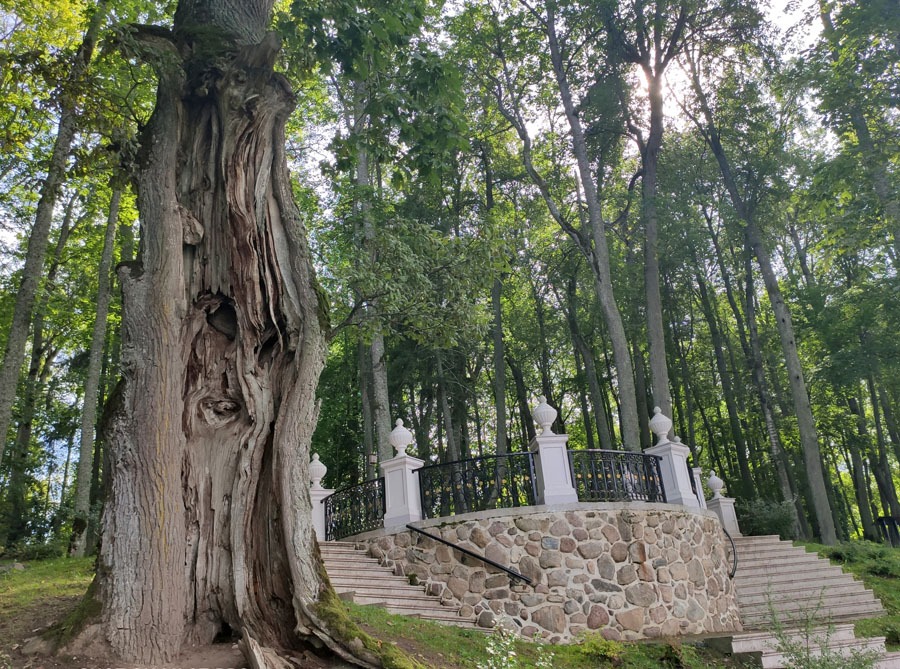
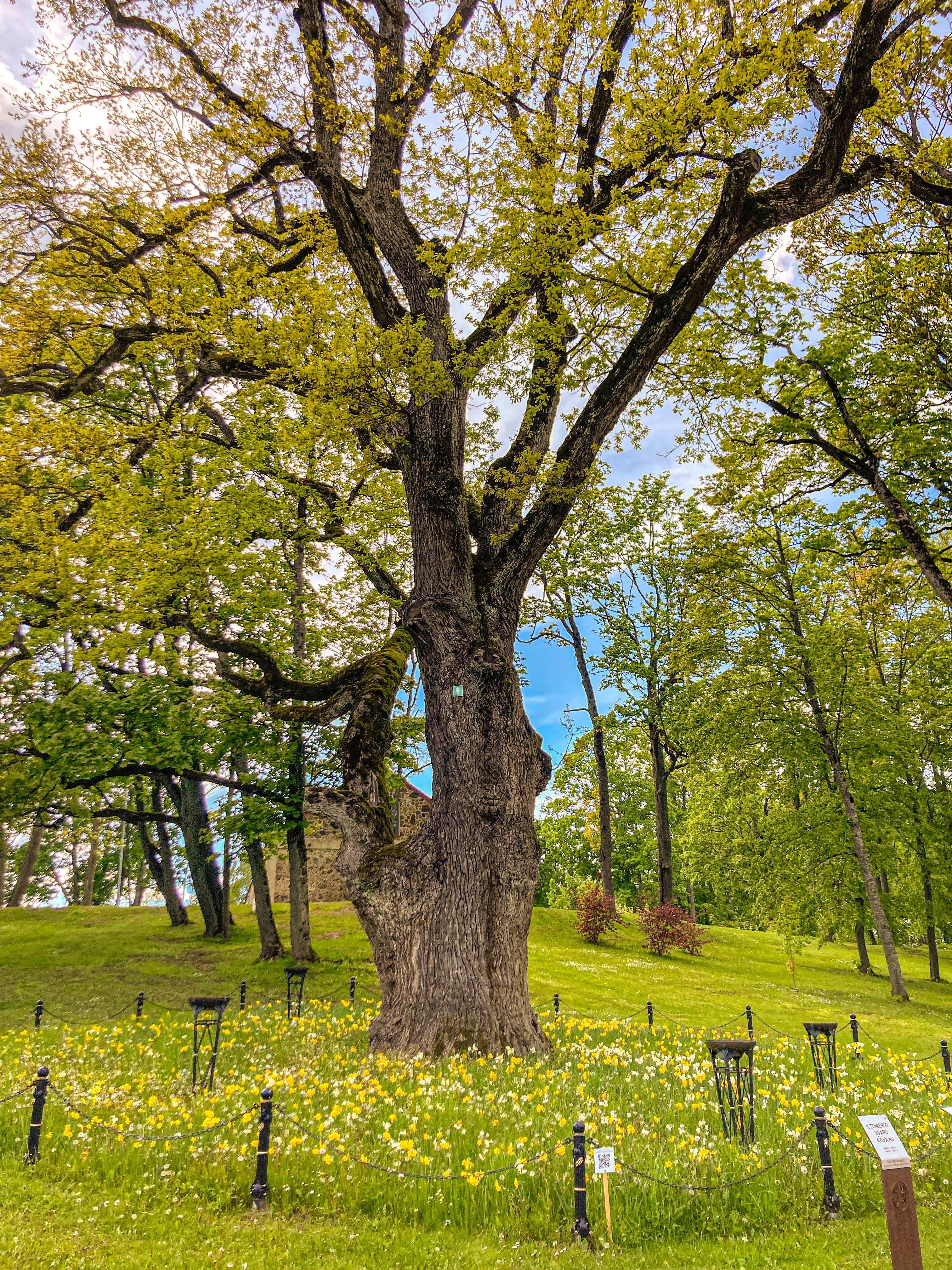
The Ilzenberg Oak, one of the oldest and most impressive trees in the country. It is not just an ordinary tree, but a living witness that has observed the birth and prosperity of the Manor, wars, uprisings, its builders, families, and love stories. Its trunk, branches and broad crown are like surviving pages from a 900-year-old chronicle.
This oak is a true natural monument:
– it is over half a millennium old,
– it is distinguished by an impressive combination of trunk girth and canopy size,
– it is protected by the state as an important part of the natural and cultural heritage.
The Ilzenberg Oak is not just an exceptional creation of nature. It has become a symbol of the Manor, connecting the past and the present, strength and tranquillity, humanity and nature. This is where photo shoots, meditations, moments of silence, and special occasions that require a unique atmosphere take place. People come to this oak to recharge their energy, concentrate and find inspiration – because the power radiating from this tree is felt by everyone.
It is a tree that reminds us that greatness is born of time, strength and a connection to the land. It is the pride of Ilzenberg Manor.
The Ilzenberg Manor Sculpture Park is a magnificent sanctuary of art and nature, where the visual arts speak to the deepest human values: Love, Harmony, and Nobility.
Established to commemorate the 100th anniversary of the restoration of Lithuanian statehood, this park brings together pieces created by the most prominent sculptors of Lithuania and Latvia, each of which has become not only an artistic object but also a symbol that tells a story in its own unique way.
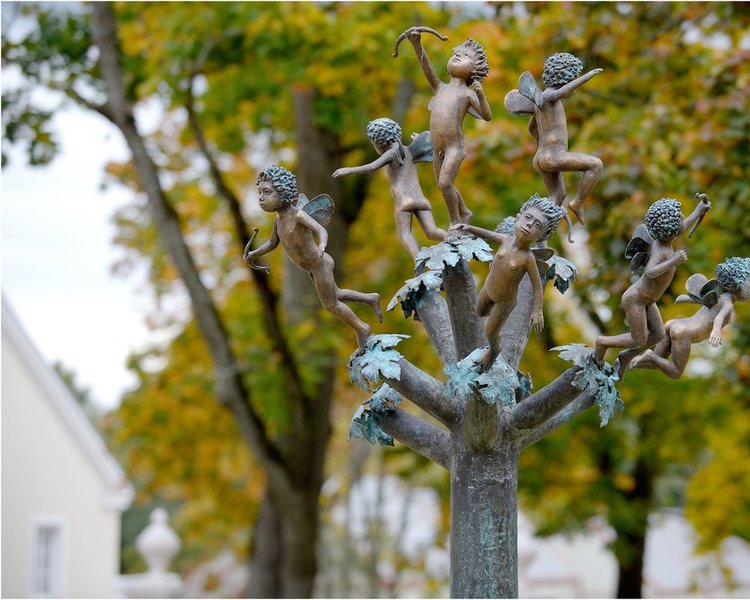
The first piece to appear here was “The Tree of Angels” (K. Dovydaitis, bronze, concrete), which was ceremoniously unveiled in the autumn of 2016. It is a sign of the Manor’s rebirth, like an awakened guardian, its branches lifting angels who protect this special place.
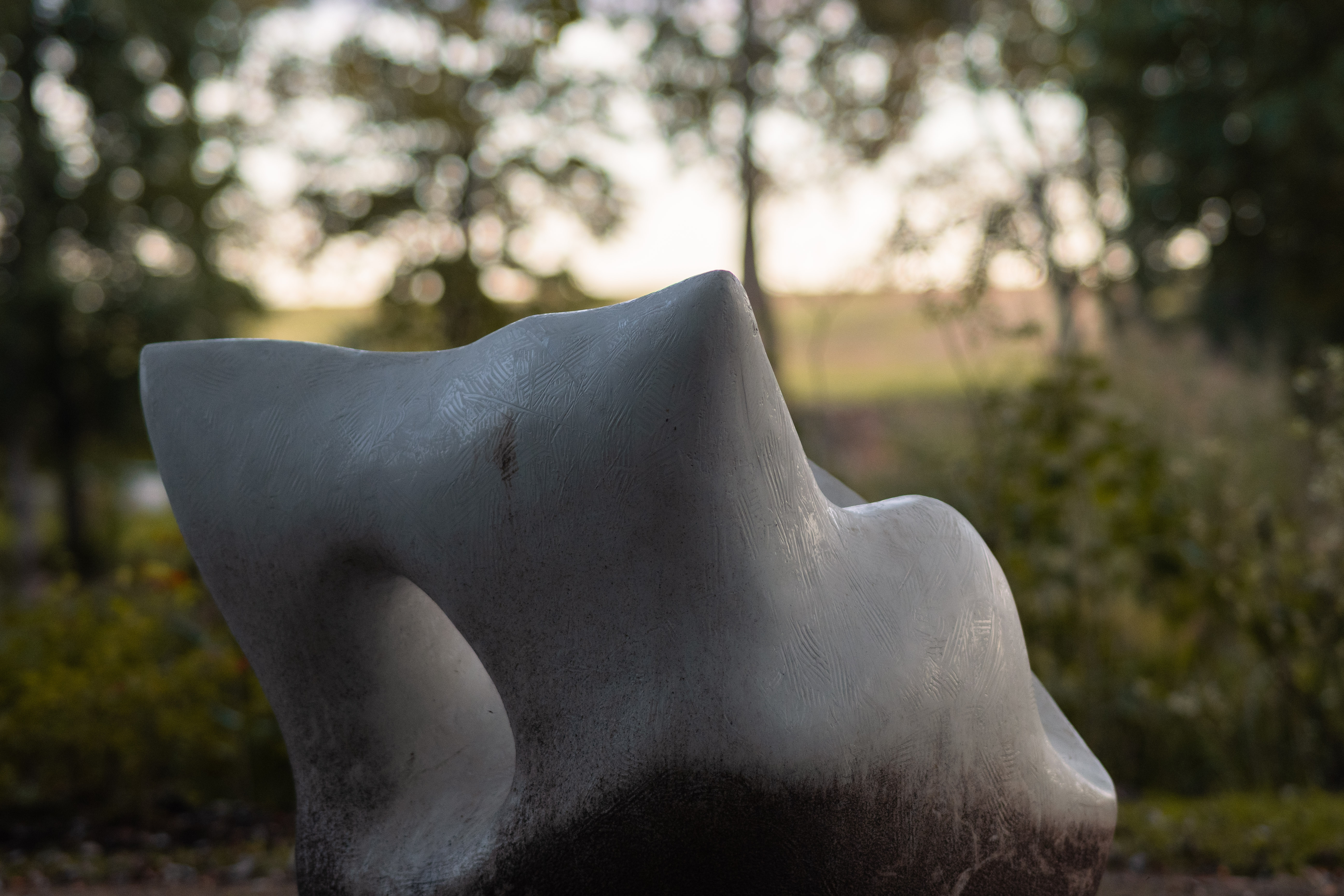
No less impressive are the functional sculptures “Lilies” (J. Grunda, cast marble), which symbolize innocence, purity and resurrection. These flower-shaped chairs have already become a favourite spot for newlyweds – not only beautiful photos are taken here, but beautiful stories are born as well.
Next to them stands a warm sculpture that seems to capture the spirit of the forest – “Friendship” (V. Kunigėlis) – represented by two figures of oak leaves. It embodies the gentleness of nature and the human need to be together.
Next, as if suddenly emerging from a fairy tale, the traveller is greeted by “The Little Princess” (L. Griežė, bronze, granite). She symbolizes the planet of childhood – that important starting point from which the journey of every person toward maturity begins.
Deep in the park stands the impressive, mystical sculpture “An Unexpected Touch of Eternity” (A. Biksė, Latvia). It is a piece that speaks of the transformation of civilization, of human anxiety in a world of technology, and of the mark of eternity lying beyond the boundaries of everyday life. The sculpture invites visitors to stop and feel that true time has more than one dimension.
Near the main park path, visitors are greeted by “The Sundial” (S. Juraška, granite, metal) – a harmonious fusion of art and science. It tracks the sun’s journey across the sky, reminding us of the fragility of earthly time and the eternity of the sun.
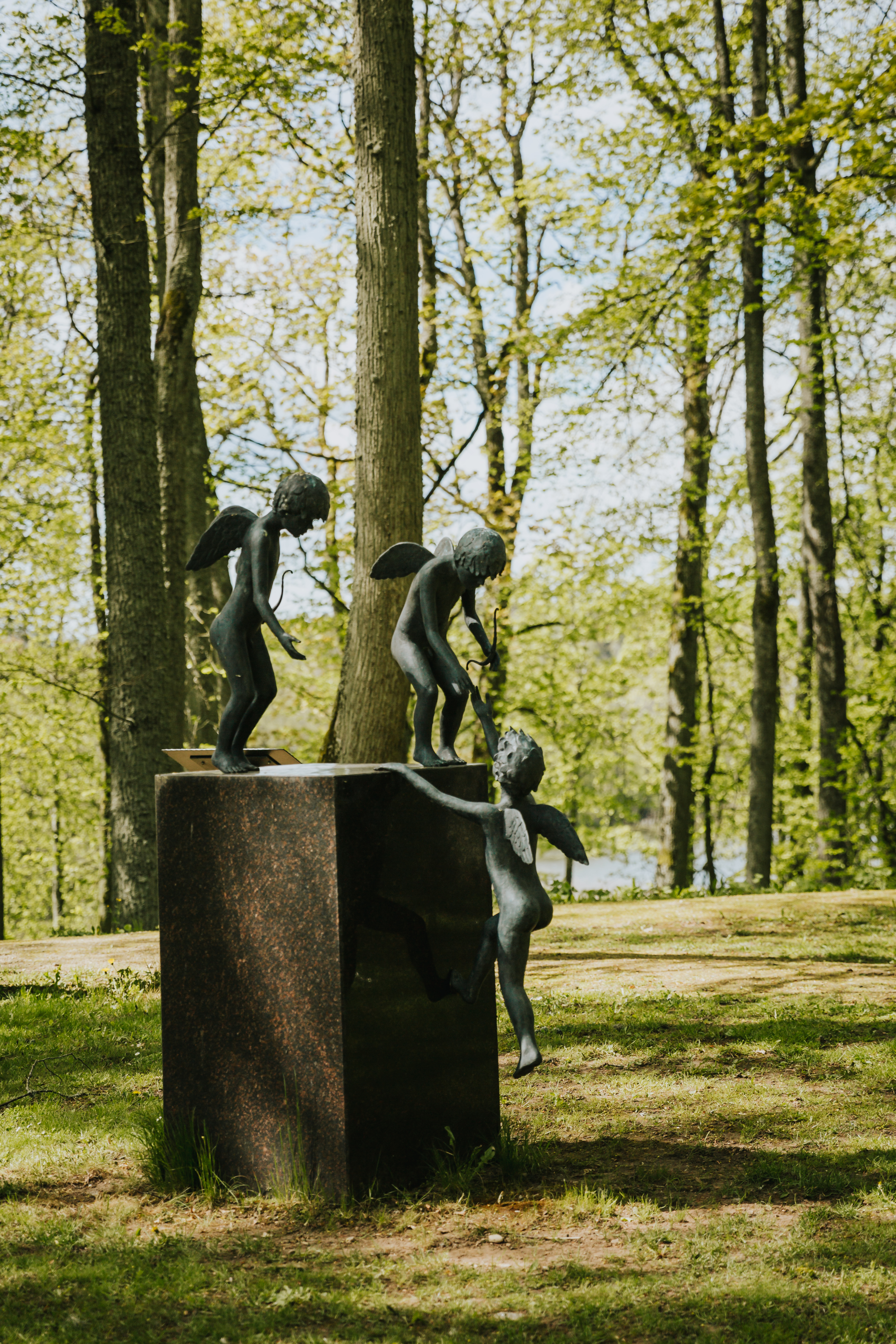
On a picturesque path, “Three Cupids” (K. Dovydaitis) are playfully positioned on a white column. It embodies a light-hearted, romantic spirit and the energy of the mythological gods of love, brightening the park and bringing a touch of playful, courtly merriment.
Another must-see is the exceptional composition “The Hare Protects the Hunter” (D. O. Matulaitė, granite). This piece combines historical motives from the Grand Duchy of Lithuania with a subtle, philosophical narrative about shelter, protection and responsibility.
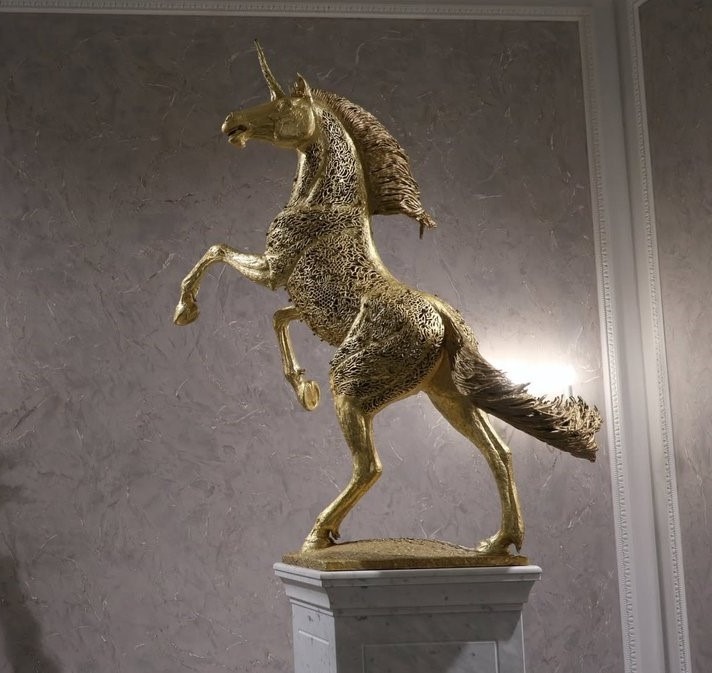
To mark the 510th anniversary of Ilzenberg Manor, a new sculpture created by Aušra Jasiukevičiūtė, titled “The Unicorn”, has been placed in the park. This is not just any mythical creature: the unicorn symbolizes purity, spirit, noble love and the triumph of goodness. Since ancient times, its horn has been considered magical, protective and healing. This sculpture has become not only an artistic highlight but also a symbol of light and renewal for the Manor.
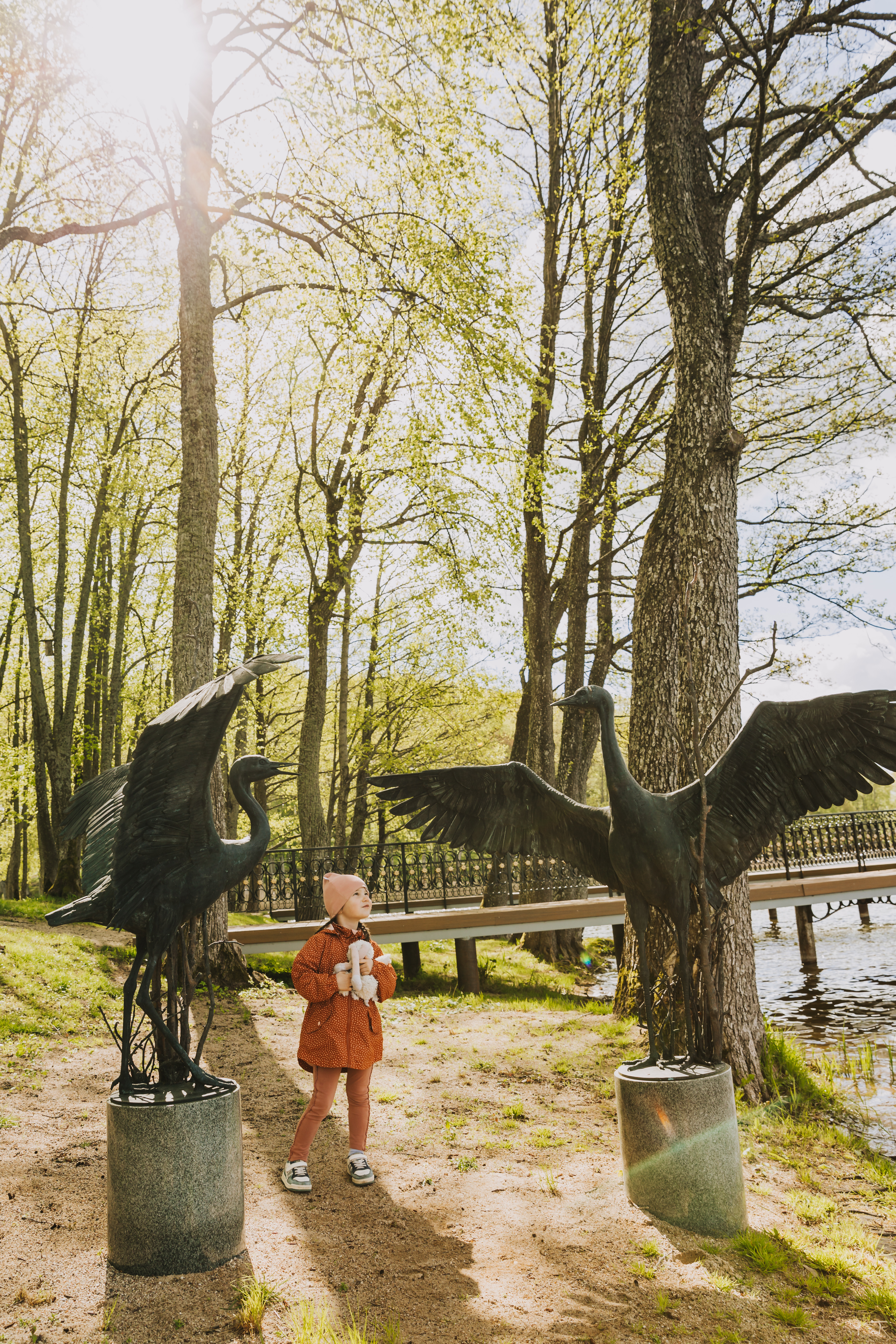
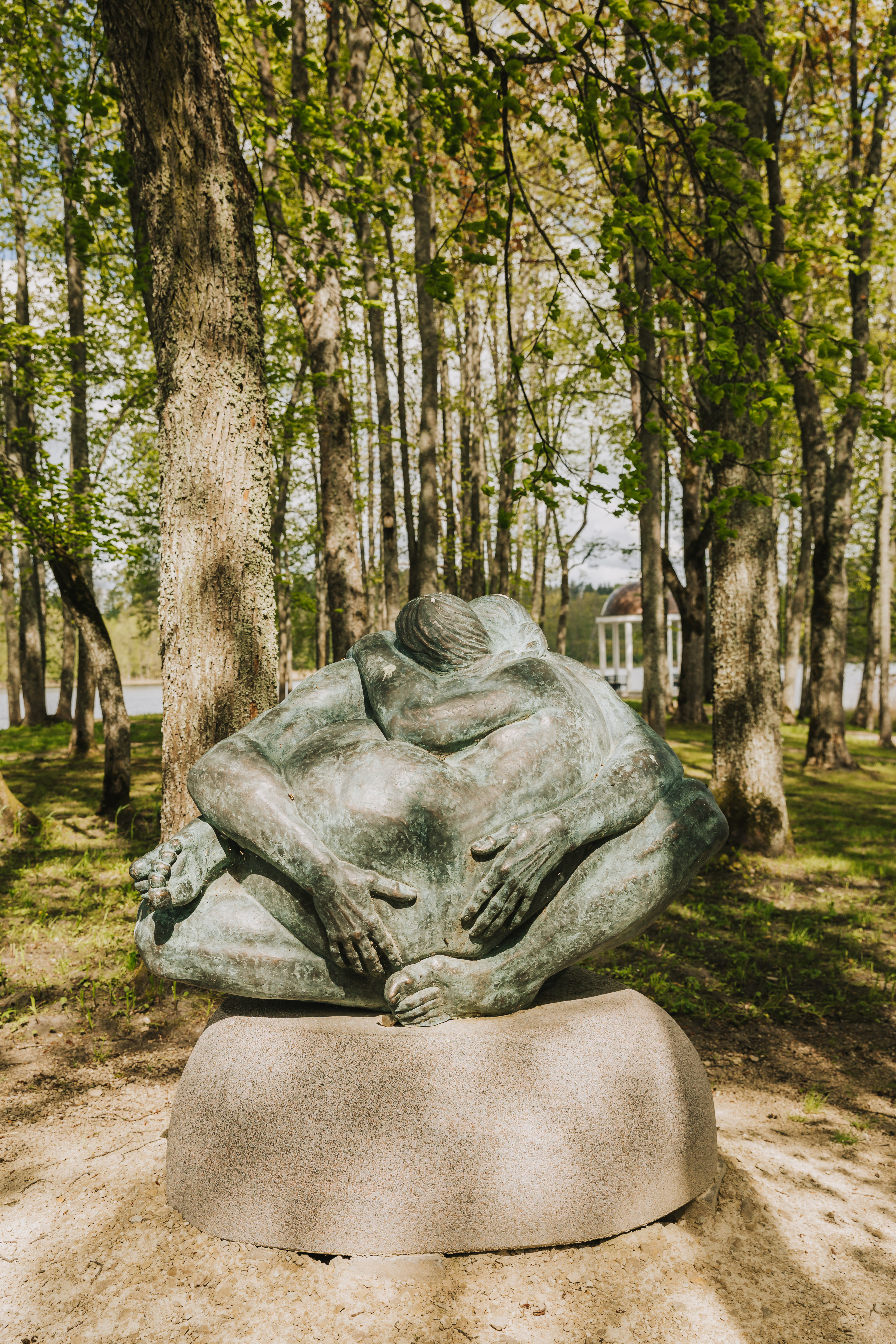
On Love Island, you will discover two symbolic sculptures:
• “Hug Me” (G. Mikolaitis) – a symbol of the purest love.
• “Dance” (K. Dovydaitis) – a symbol of the loyalty of cranes.
The Ilzenberg Manor sculpture collection is not just an ordinary park, but a magnificent and lively open-air gallery. Each piece here blends into the harmony of nature and the history of the Manor, creating a space where art speaks, moves, inspires and endures.
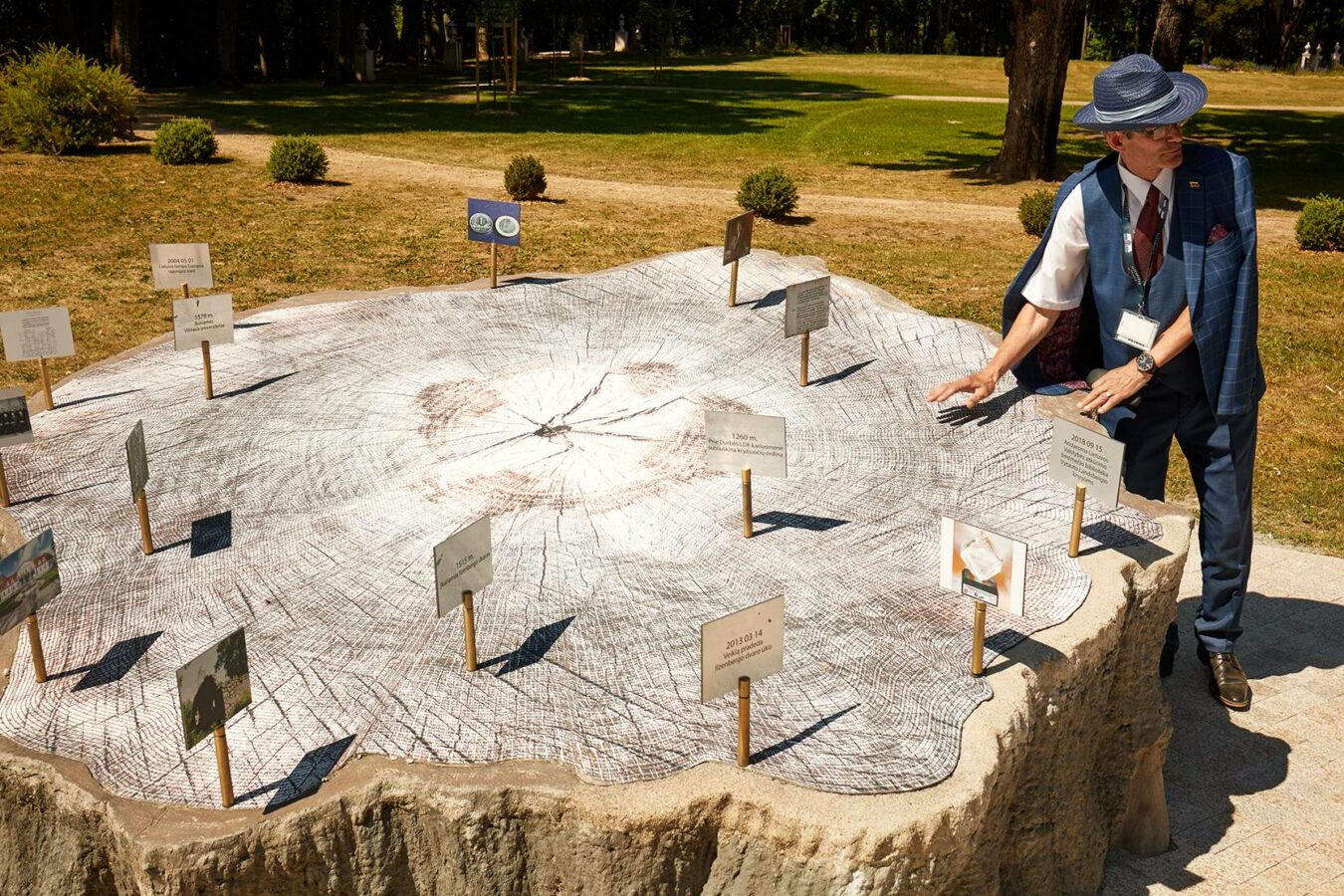
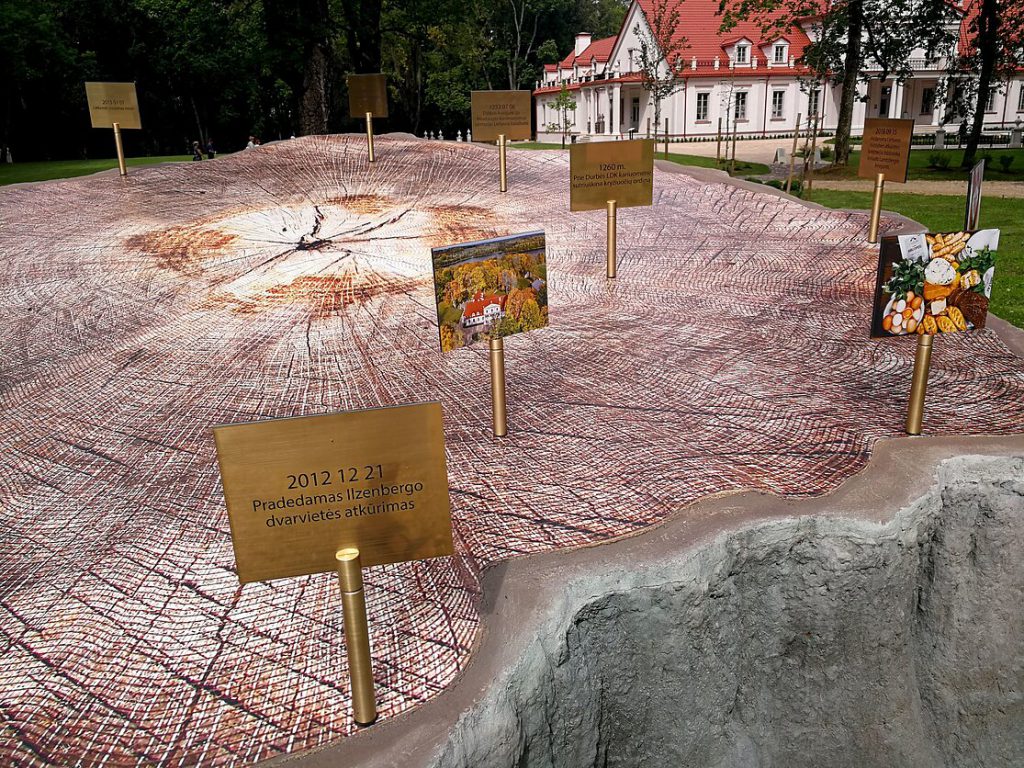
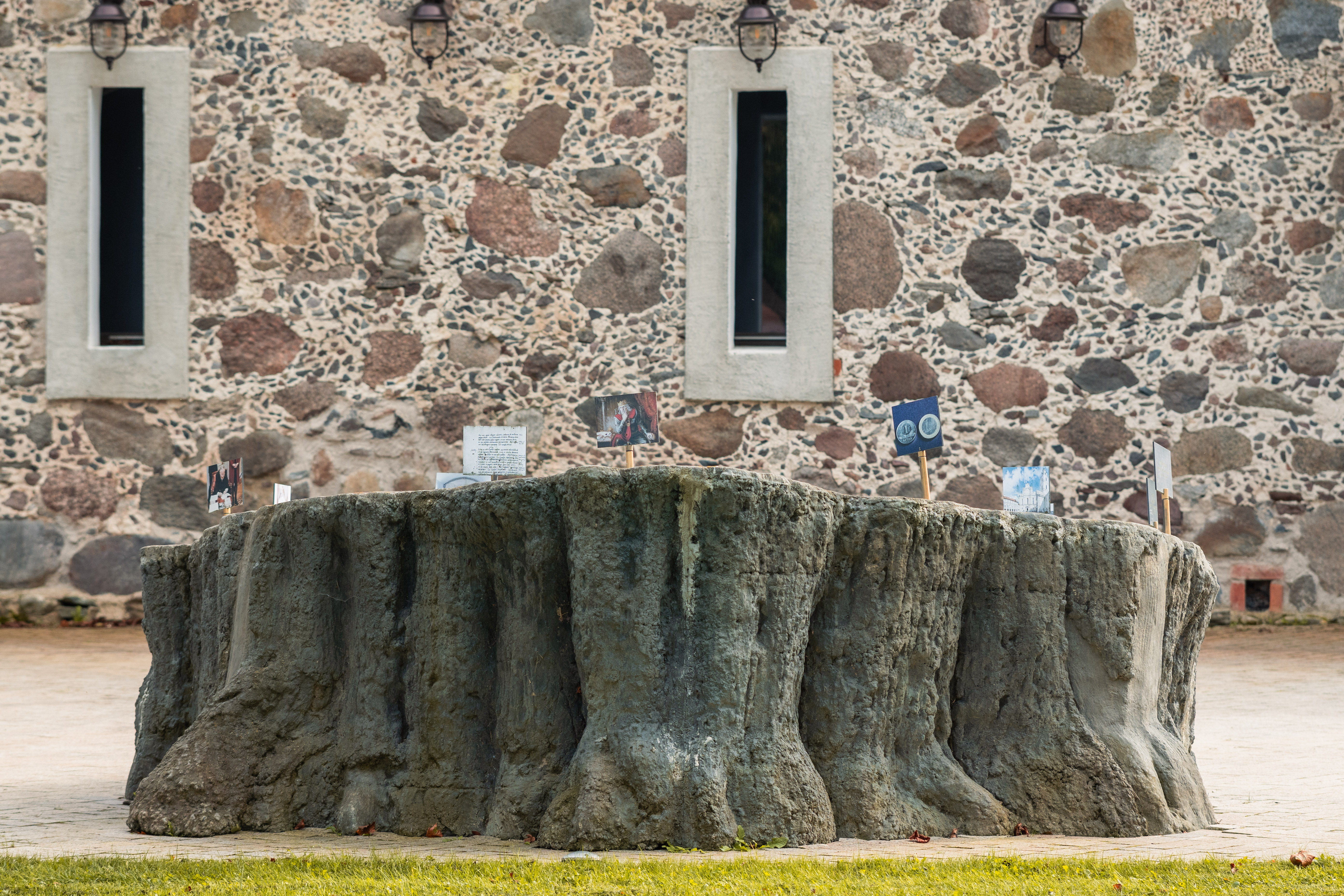
The 1:1 scale replica of the Stelmužė Oak trunk, located at the Ilzenberg Manor, is not just a sculpture, but a living timeline of Lithuania – a symbol of greatness and national resilience.
The recreated trunk of the legendary Stelmužė Oak reflects its natural dimensions throughout different periods of history. The most important dates in the history of the Lithuanian state and Ilzenberg Manor are marked on this monumental testimony – like a chronicle inscribed in the tree’s rings, through which the energy of centuries has flowed, shaping our national identity.
This trunk is a pillar of time, a majestic book of history that you can not only read, but also feel.
Every step around it is a journey through eras, wars and victories, through the restoration of the state, the Manor’s prosperity, and its rebirth.
Young “children” of the Stelmužė oak have been planted on both sides of the sculpture. They were planted here as a living promise of the future – that the strength and resilience of Lithuania, and its history rooted in the land will never fade.
This is a place where the past stands side by side with the future, and where one can touch the great history of Lithuania just as it was – proud, powerful and monumental.
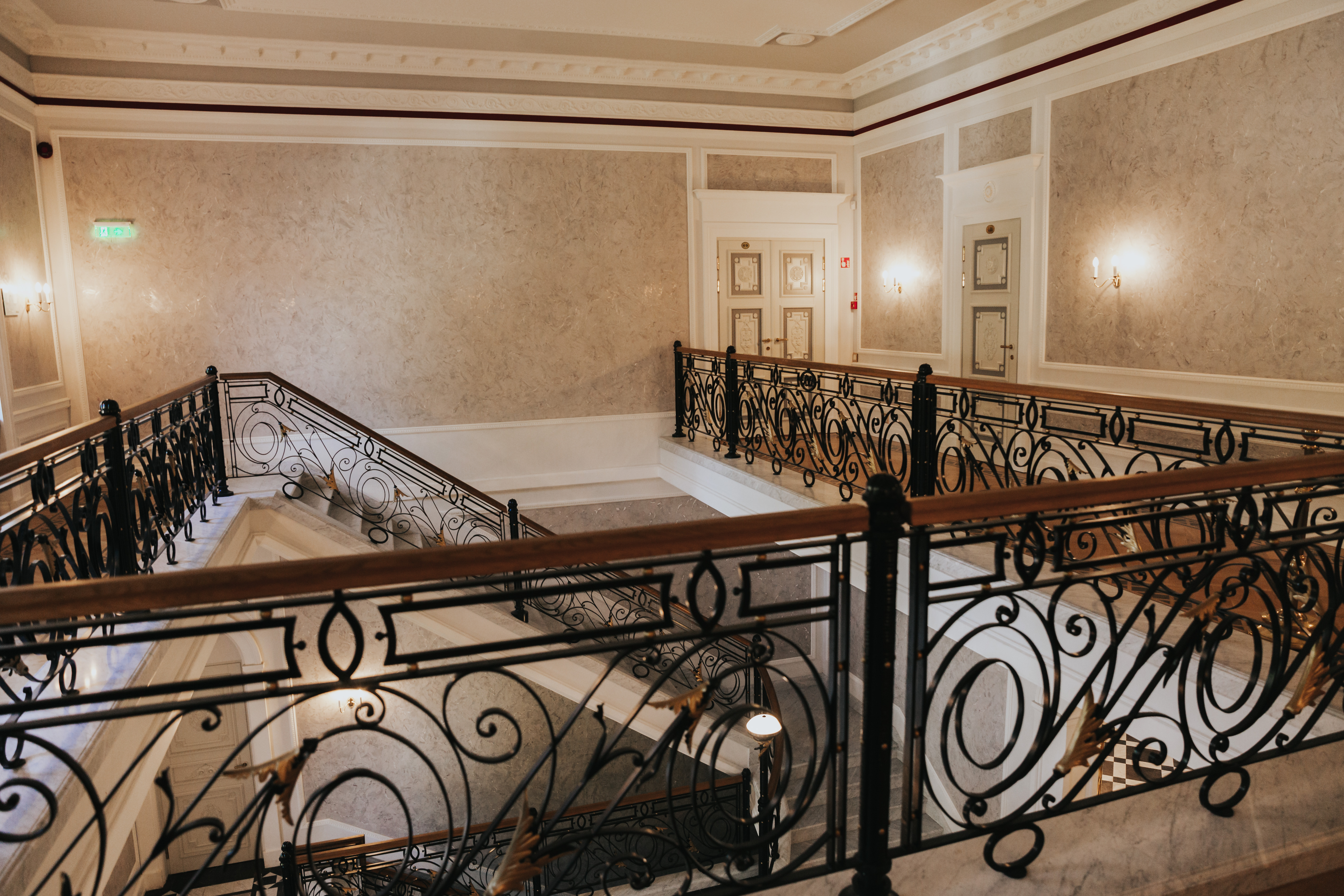
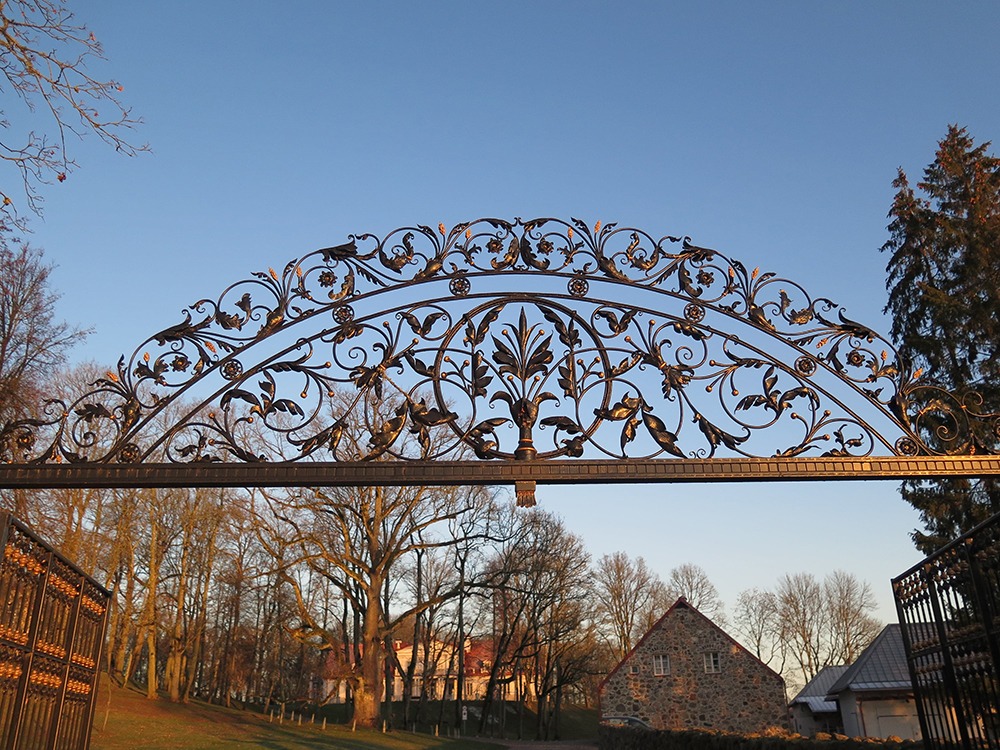
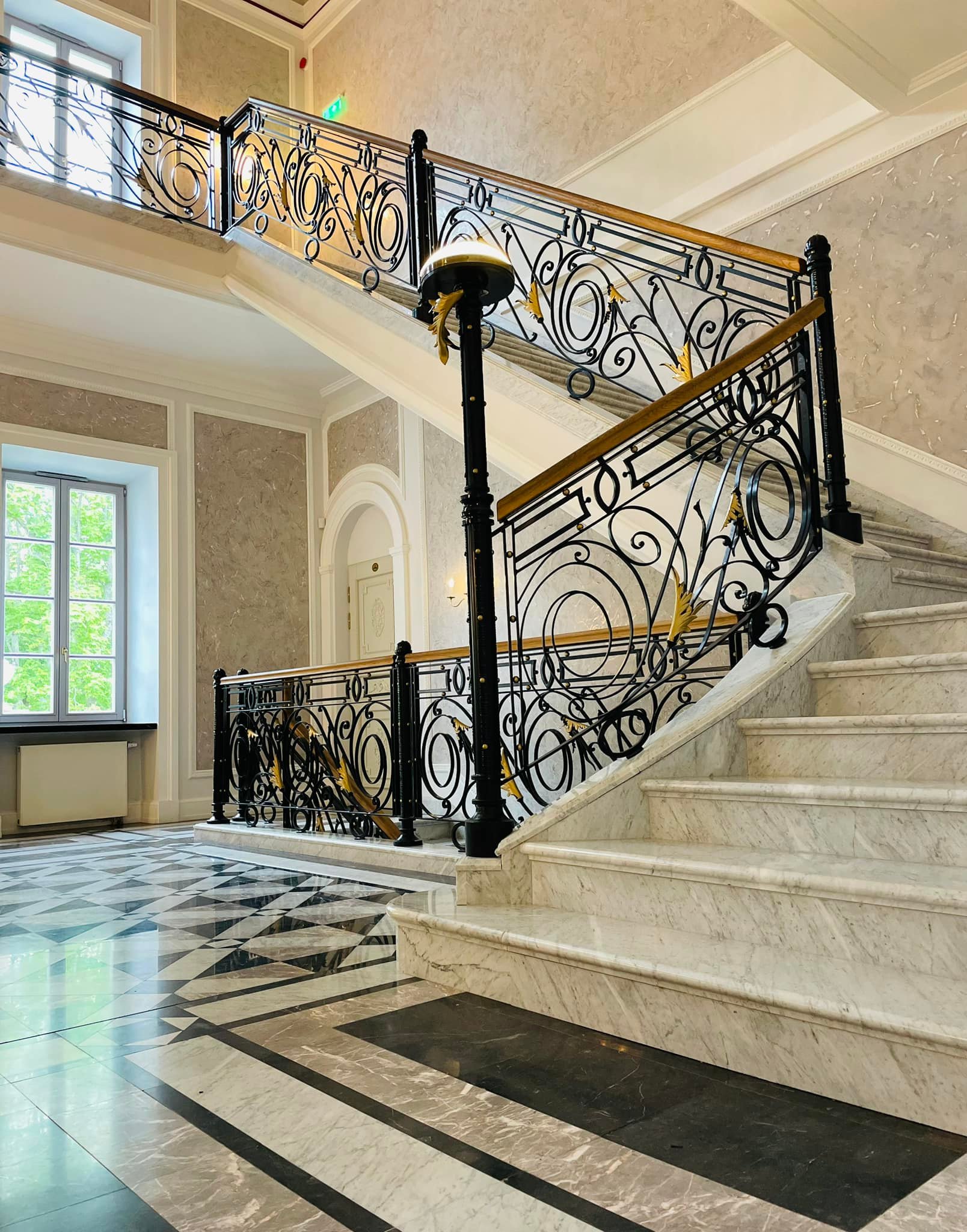
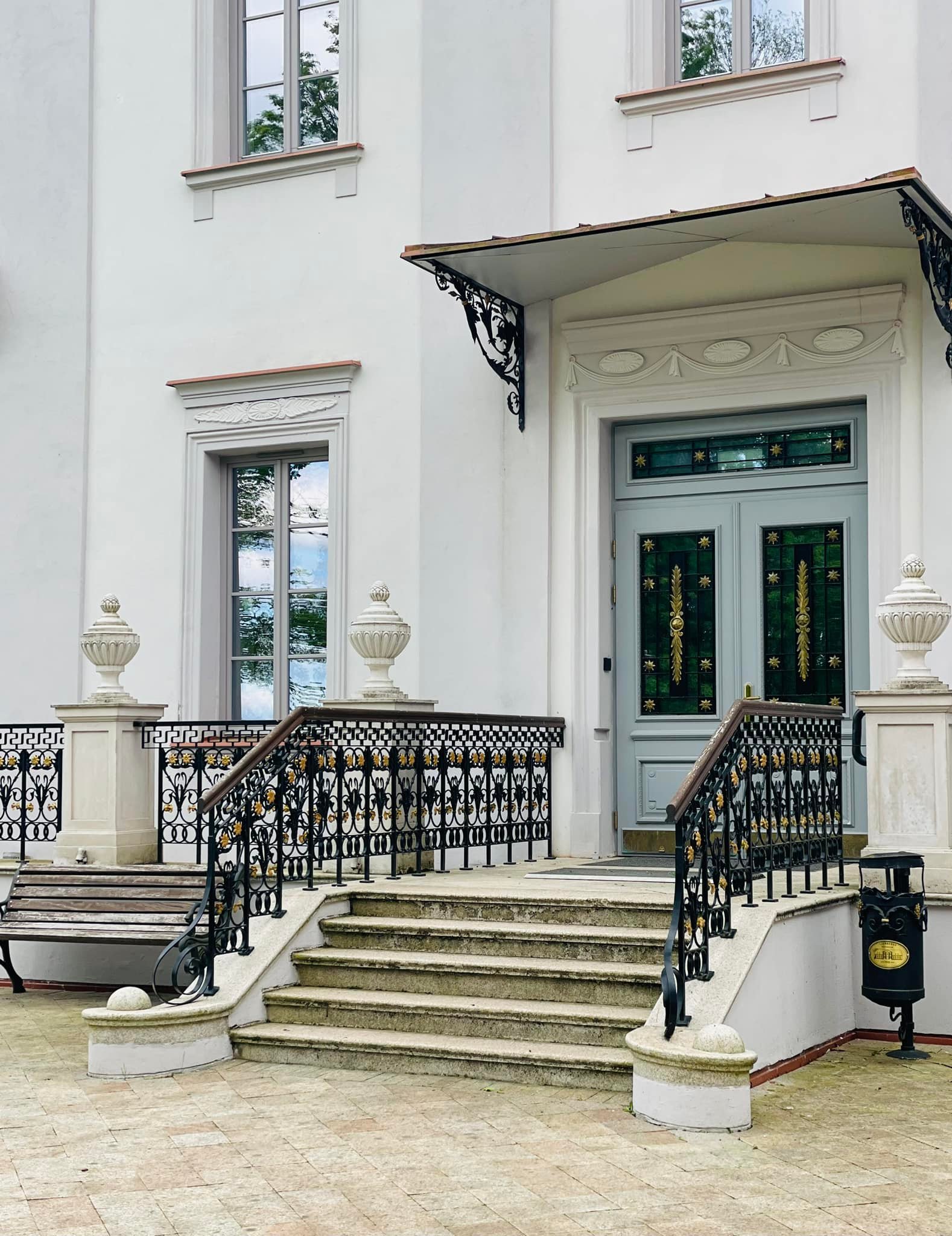
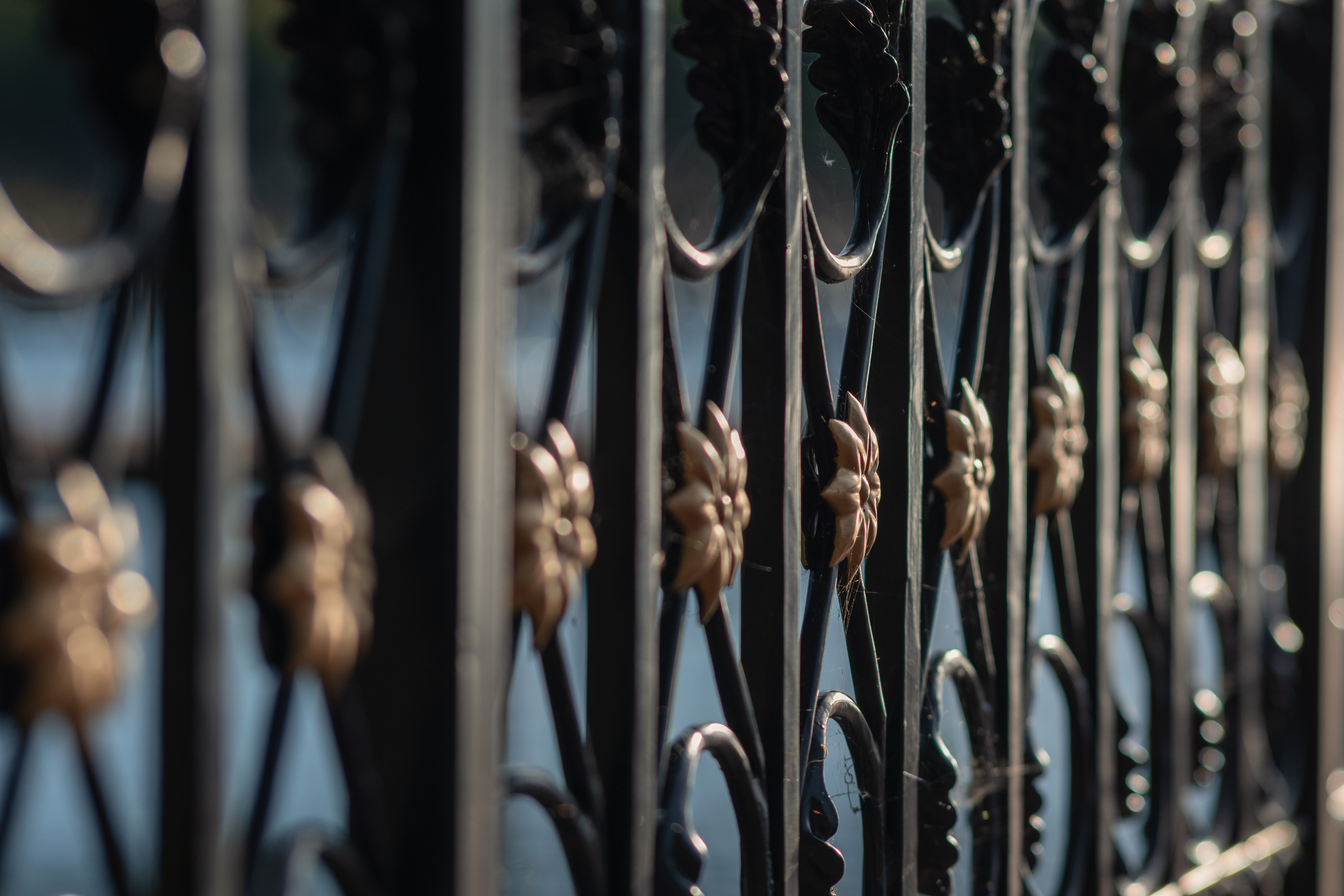
At Ilzenberg Manor, the art of blacksmithing comes to life as majestic iron poetry – a solid, timeless and ornate history that one can touch.
Here, every hammered curve of metal bears witness to the talent and precision of the masters’ hands, and iron becomes a living piece of art. An impressive blacksmithing heritage unfolds throughout the Manor’s spaces, blending strength, aesthetics and the spirit of ancient craftsmen.
The grand gates in the stone wall welcome guests as a symbolic passage to another time – to a space where courtly elegance and cultural power prevail. Standing impressively nearby, they are replicas of historic cannons, reminding visitors of the Manor’s defensive traditions and the noble spirit of the past.
Around the walking paths and the palace, the traveller is accompanied by subtle but expressive railings and observation point elements crafted by blacksmiths – like jewel-like accents in the grand composition of the park.
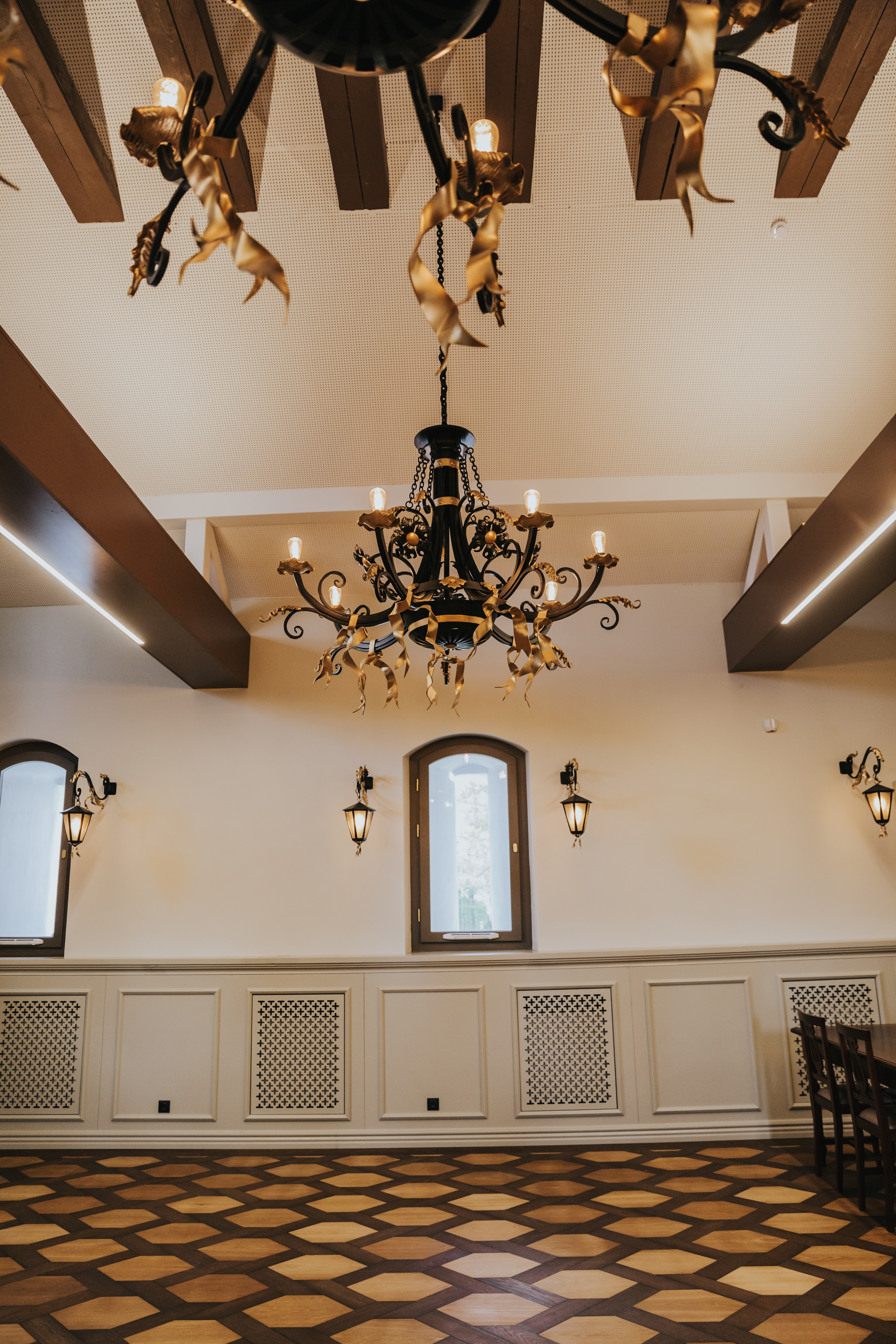
Inside the palace, the eye is attracted by the stair railings and chandelier, which have attained artistic value; here, the craftsmanship of the blacksmiths blends with architectural beauty, creating an atmosphere of luxury and ancient tradition.
The blacksmithing works at Ilzenberg Manor are not just functional elements, they are paintings in iron, testifying to the human ability to give metal a soul and spaces an unforgettable magnificence.
Ilzenberg Manor is a place where history is not only told, but also returns, is reborn, and takes on a tangible form. One of the most impressive parts of this heritage is the cannon of the Manor and the spaces designated for them, which bear witness not only to military traditions but also to the power and importance of the Manor in the region.
As early as the XVII century, three real cannons stood in the territory of the Ilzenberg Manor, protecting this border residence. In 1926, the then-owner of the Manor, Livija Emilija Dimšaitė, recognizing their historical importance, donated these valuable weapons to the Kaunas War Museum, where they became a part of Lithuanian military heritage.
Today, Ilzenberg has respectfully revived this page of history – carefully restored replicas of the cannons have been erected in the manor park, serving as a reminder of past battles, the art of defence, and the importance of the Manor in the national history. They stand as symbols of strength, blending into the panorama of the landscaped park and giving it a majestic, regal air.
No less impressive is the “Cannon Hall” – one of the most authentic buildings of the Manor. This space did not earn its name by chance: its windows are genuine XVII-century embrasures, through which the Manor complex and the surrounding lands were once defended. Here, among thick walls and strict architectural lines, the spirit of ancient defence still lingers today, and visitors can feel what it meant to live in a border manor, constantly guarding the peace of the state.
The history of the cannons at Ilzenberg Manor is not just a matter of facts. It is a living story of fortitude, loyalty, honour, and the trials of time that the Manor has overcome, surviving to this day as one of the most prominent witnesses to Lithuanian history.
The nature and animals of Ilzenberg Manor – the living, breathing heart of the Manor
The entire territory of Ilzenberg Manor is surrounded by nature of exceptional beauty – it is a place where even a simple walk becomes a special experience. Picturesque paths wind through the park, hugging the shores of the lake, while centuries-old trees create a soothing shade and invite you to stop for a moment. This environment is a harmonious dialogue between humans and nature, where every step reveals a new story.
Friendly inhabitants of the Manor
In summer, Ilzenberg Manor comes even more alive – the animals living here become the true stars of the Manor. They are cared for with love, so they feel safe and interact openly with guests.
The Manor dogs – Bergas and Alkas
Meet the Nova Scotia Duck Tolling Retrievers, the friends and guardians of our Manor. Bergas is the first representative of this rare, intelligent and exceptionally friendly breed at Ilzenberg, and he is now joined by his brother Alkas – playful, warm and always ready to say hello. Both of them came from the “Juodas Apelsinas” kennel, where the first litter of this breed was born in Lithuania in 2019.
Ilzenberg Park is also a home to:
Black-headed sheep – a breed of Lithuanian origin that grazes near the park entrance.
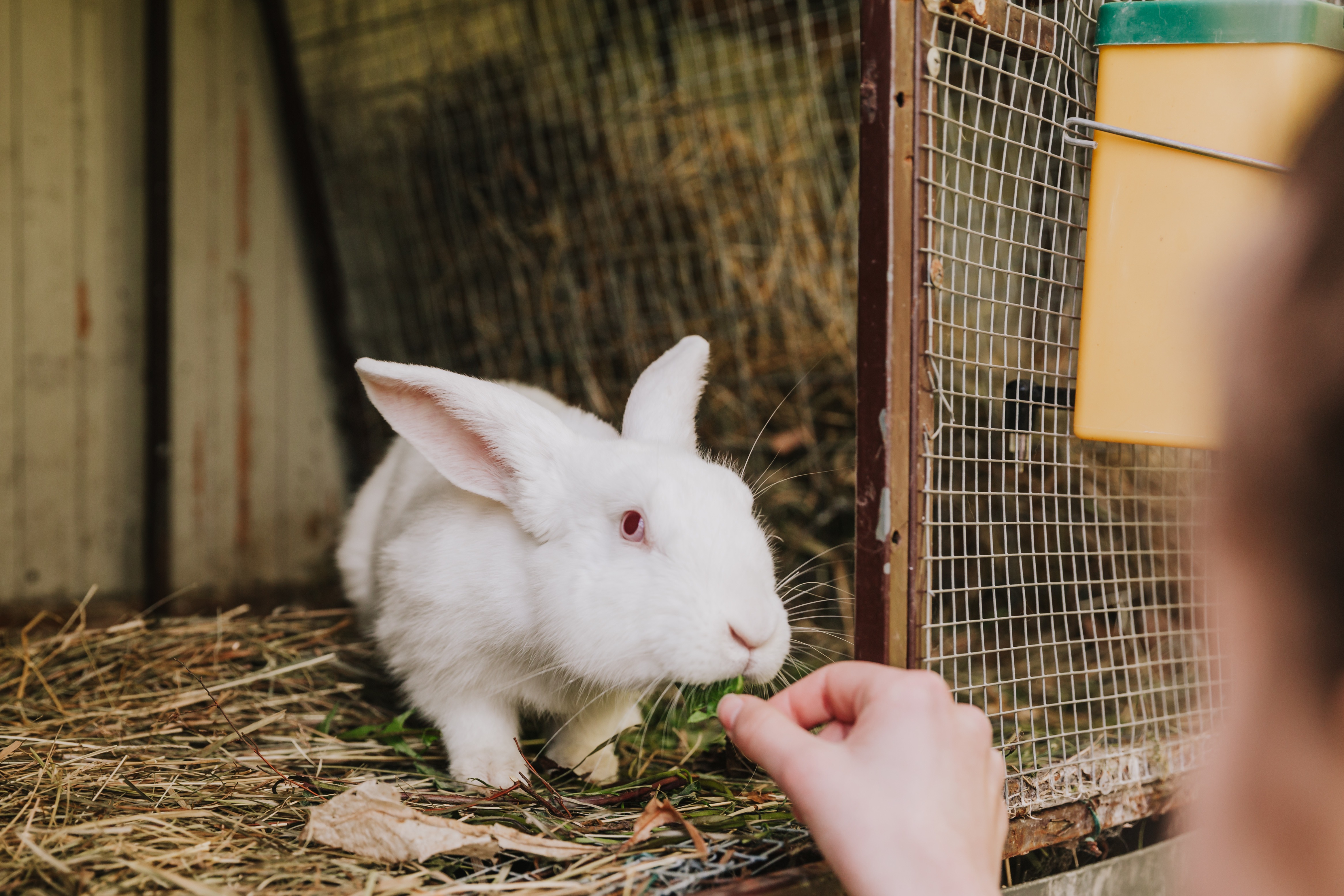
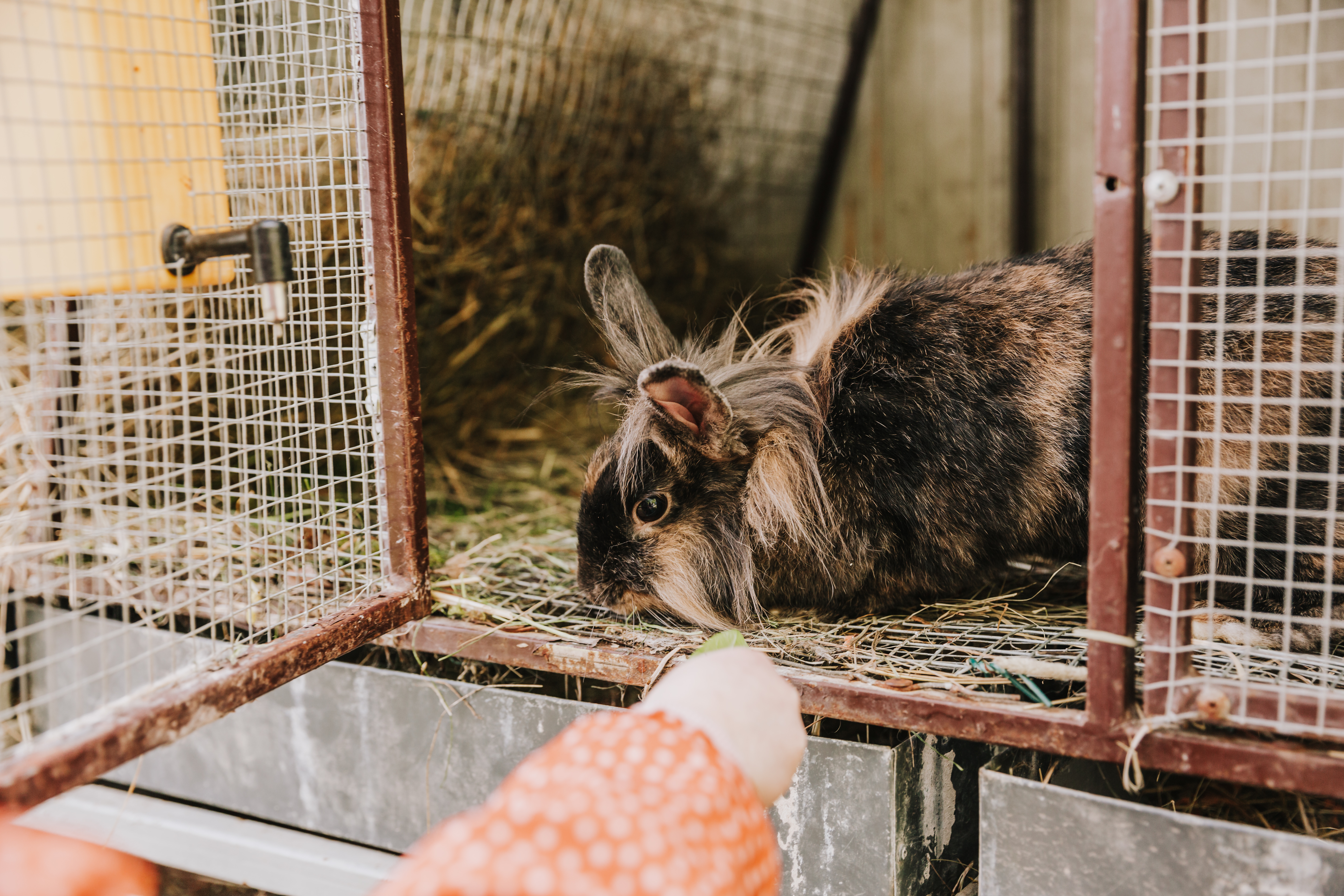
Rabbits – found near the Craft House and the Grill Restaurant, who love lettuce and company.
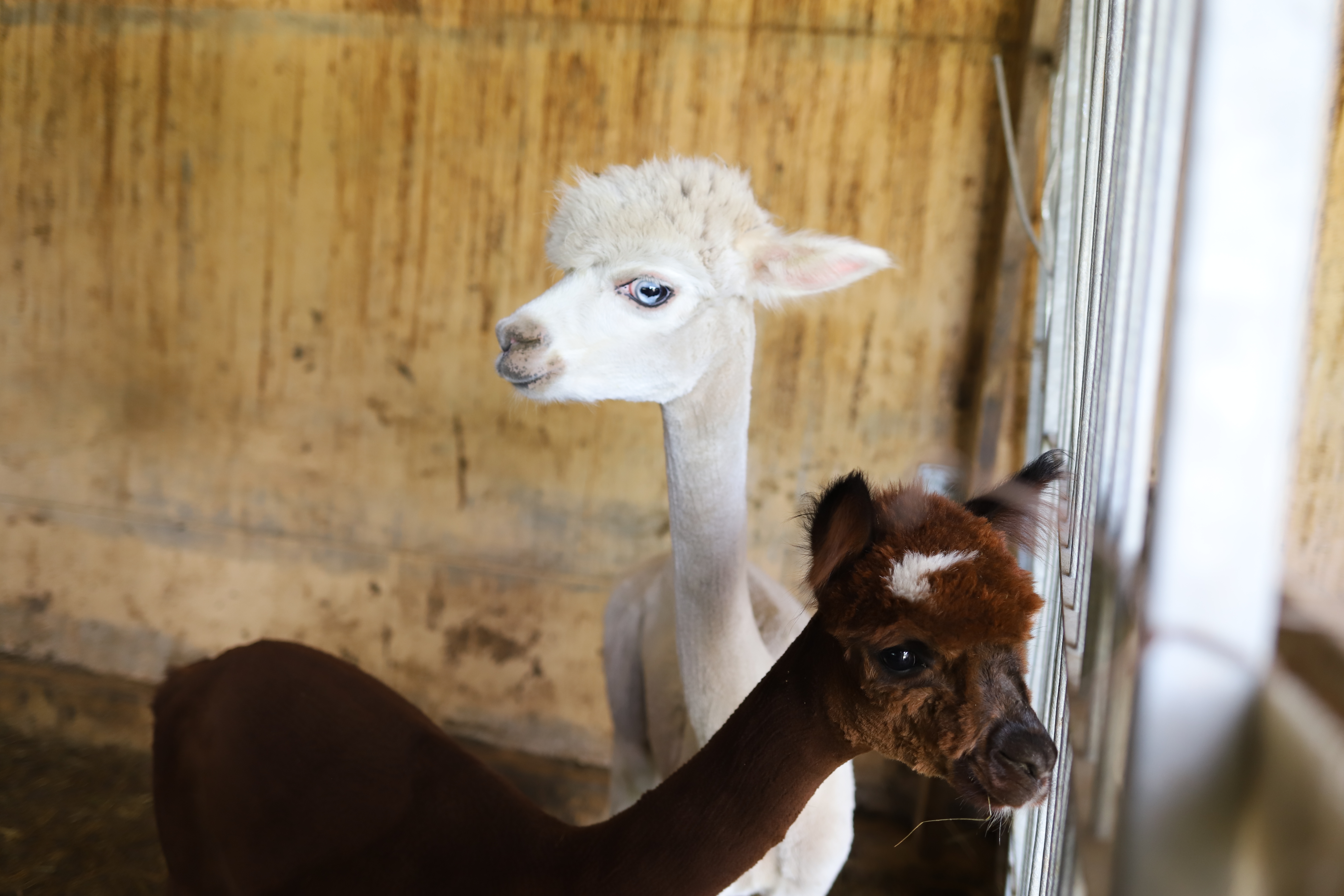
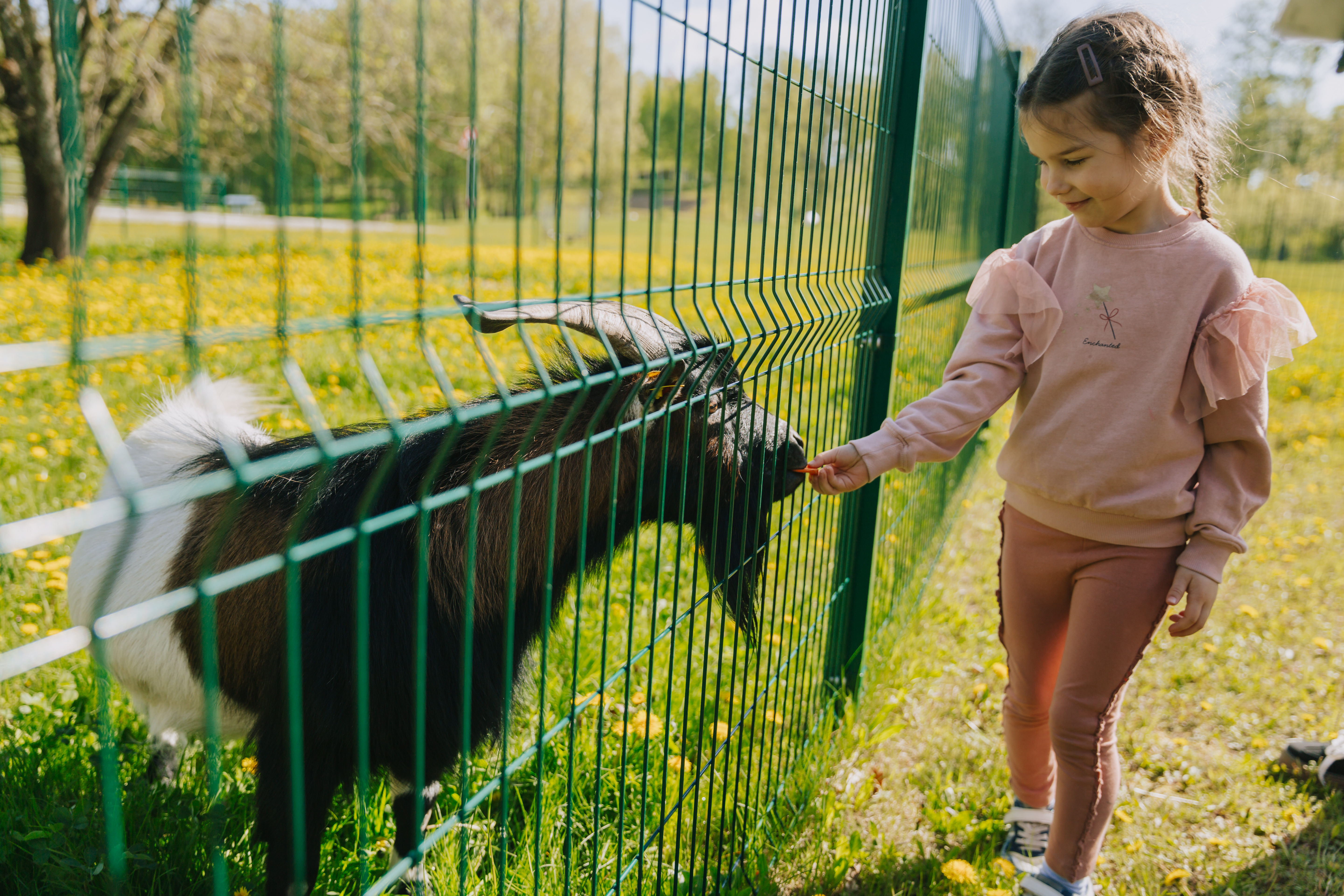
Alpacas and mountain goats – gentle and curious, they are the first to greet visitors.
Bats – invisible during the day, but very important to the ecosystem of the Manor, as they provide natural mosquito control.
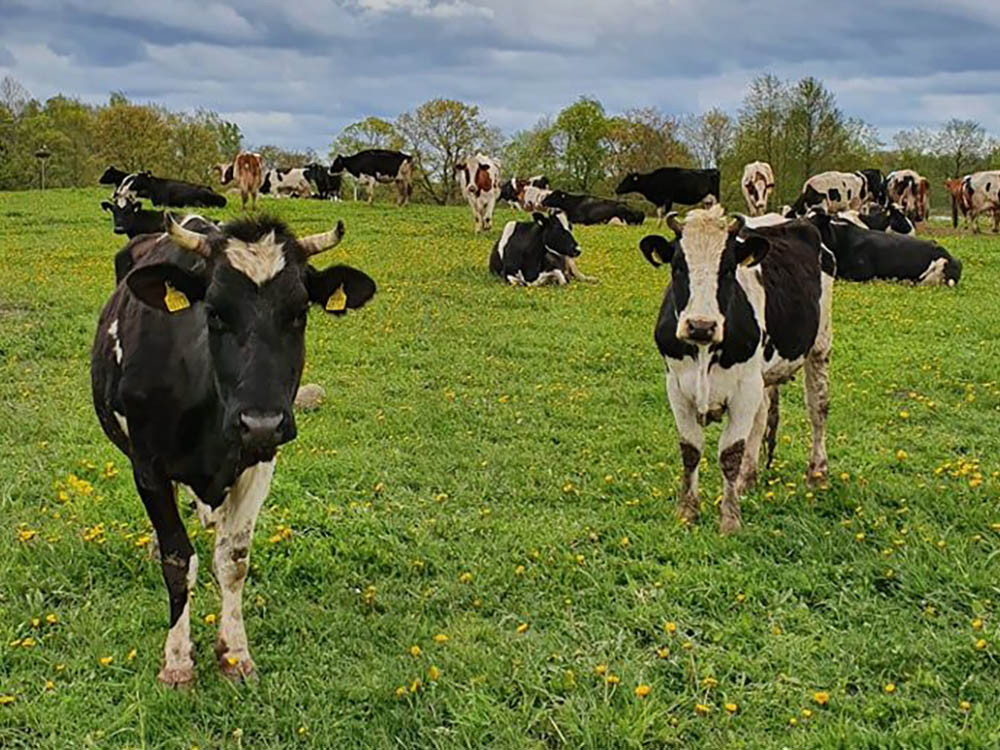
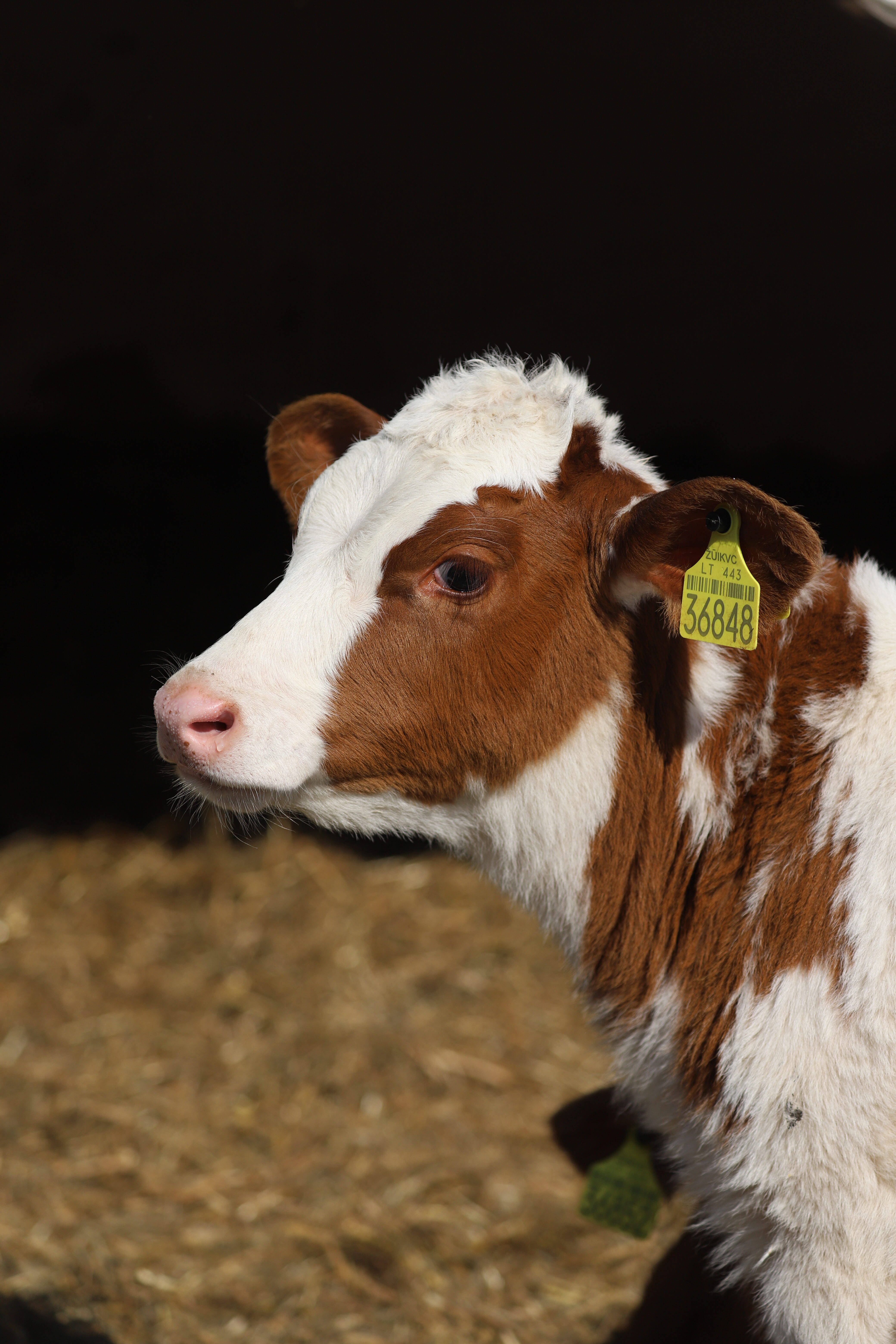
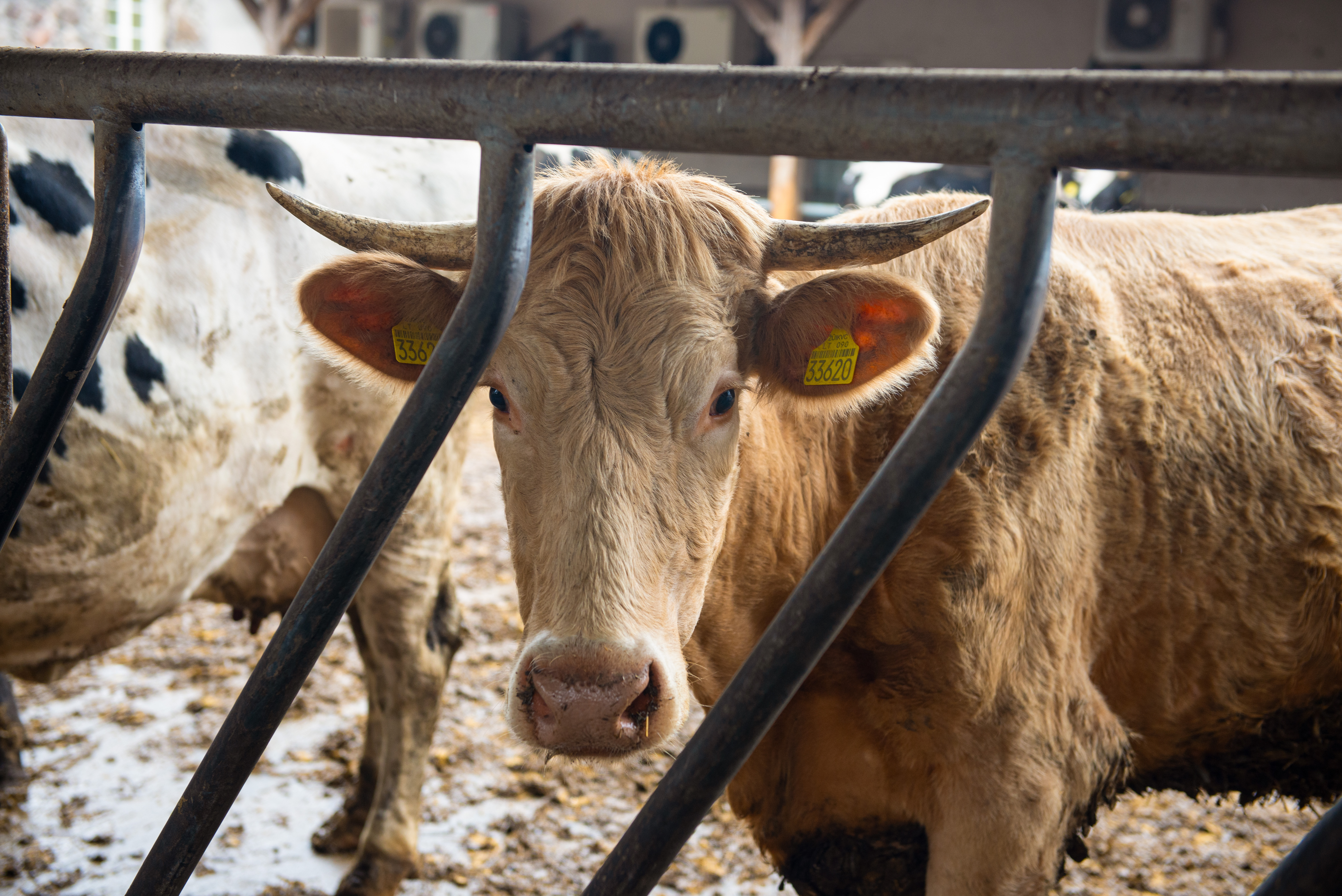
Cows and calves – living on a certified organic farm; they can only be viewed from the outside due to veterinary regulations.
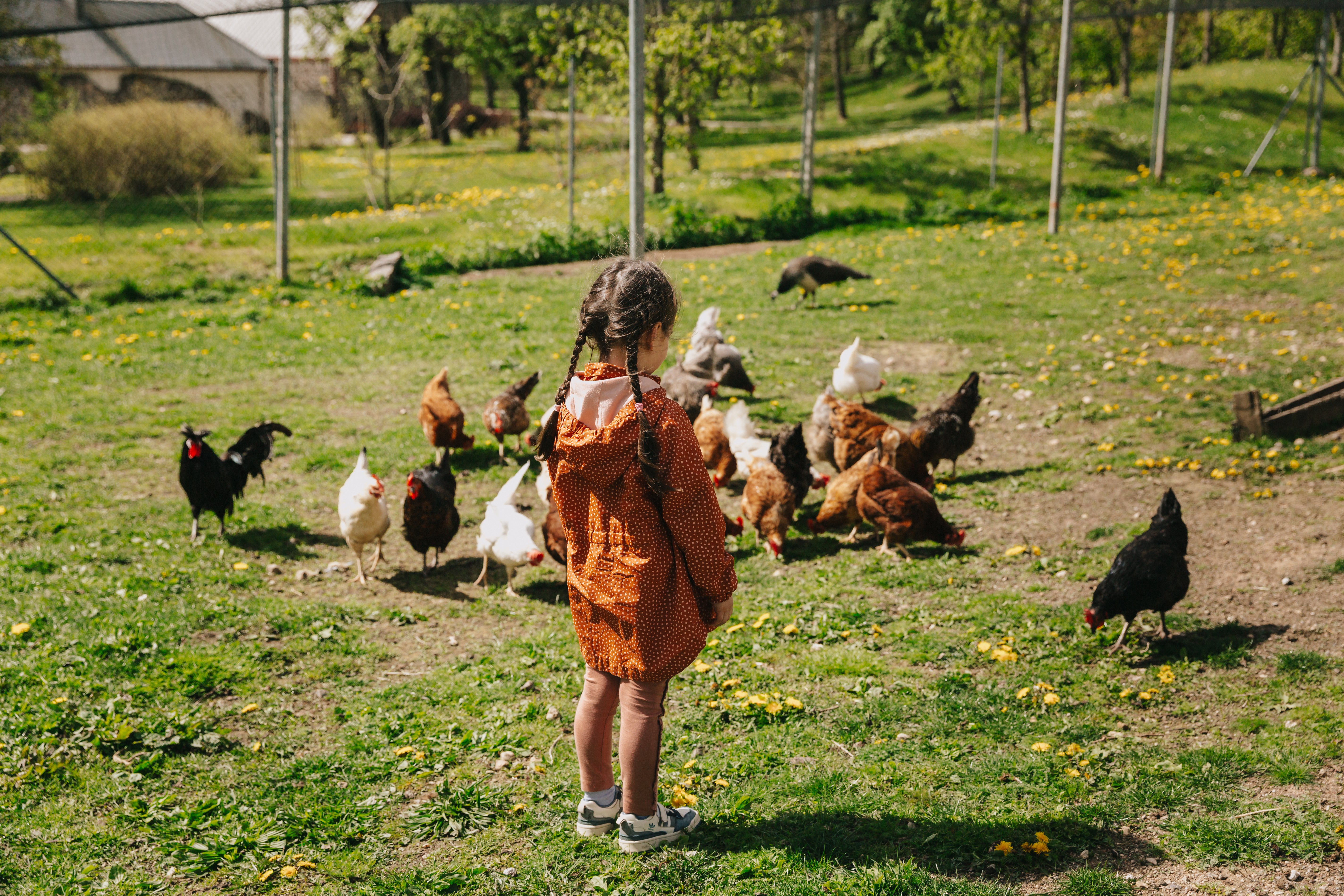
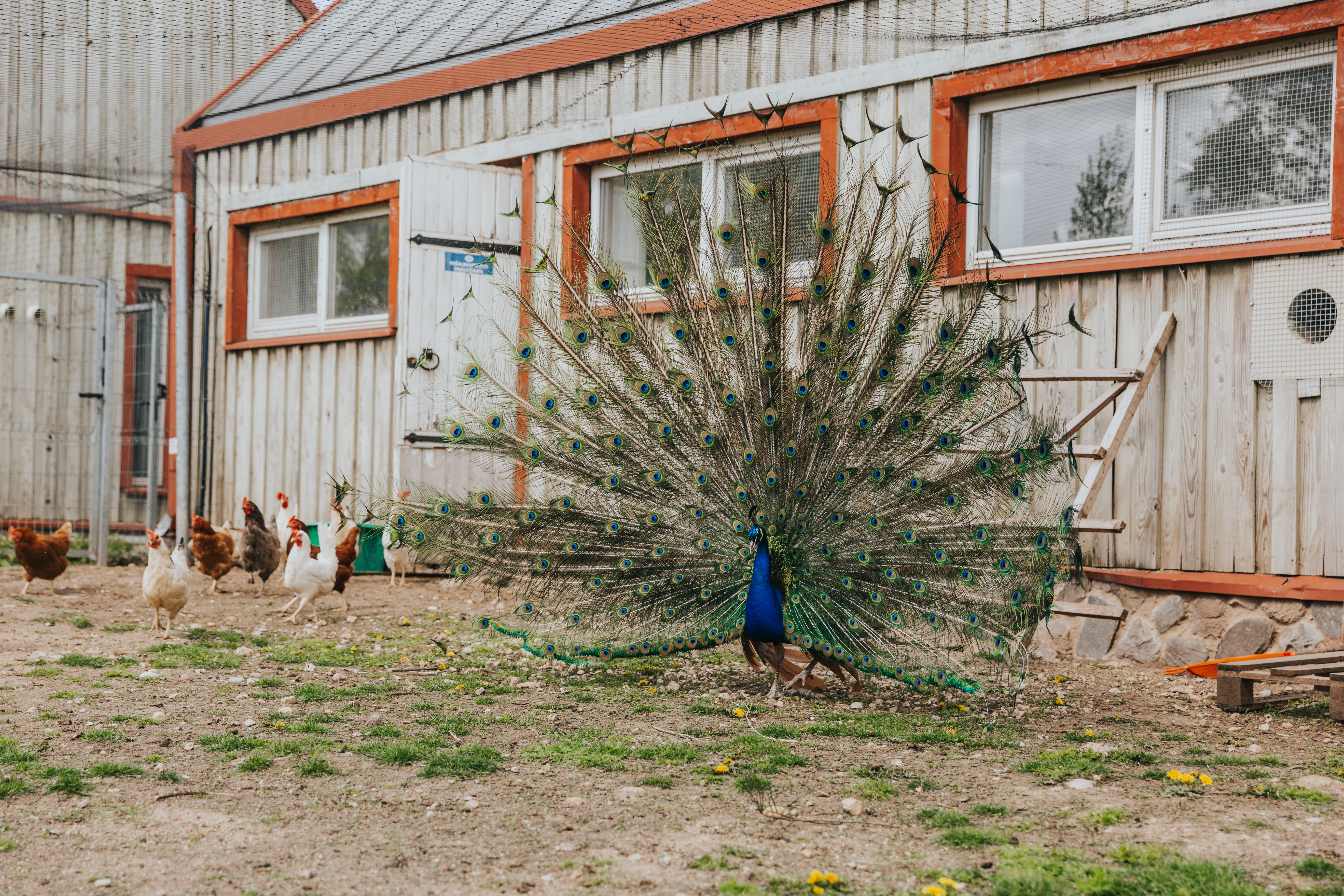
Chickens – living in chicken coops that you can visit.
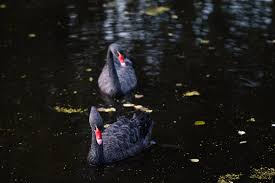
KOI carp and many more!
Ilzenberg Manor – not just history, but a living world of nature.
Here, every corner is filled with life, warmth and tranquillity, and the inhabitants of the Manor—from sheep to bats, from chickens to the playful brothers Bergas and Alkas – create a cosy, natural and joyful atmosphere.
We invite you to come and experience this unique harmony of nature and the Manor up close.